

Are there any limitations to the use of trackless transfer carts? Well, as a supplier of trackless transfer carts, I've had my fair share of experiences and insights on this topic. Let's dive right in and explore the possible limitations and how they stack up against the benefits.
First off, let's talk about the terrain. Trackless transfer carts are pretty versatile, but they do have their limits when it comes to the ground they roll on. These carts work best on flat, smooth surfaces. If the floor is uneven, full of bumps, or has large cracks, it can really throw a wrench in the works. The cart might not move as smoothly, and in some cases, it could even get stuck. For example, if you're using a Heavy Duty Transformer Hydraulic Lifting Transfer Cart in a construction site where the ground is all dug up and filled with debris, that's asking for trouble. The uneven ground can cause the cart to tilt, which not only affects its stability but also the safety of the load it's carrying.
Another limitation is the load capacity. Every trackless transfer cart has a maximum weight it can handle. Exceeding this limit is a big no - no. If you try to load a 30 Tons Steel Structure Hydraulic Lifting Transfer Cart with more than 30 tons, you're putting a huge strain on the cart's components. The wheels might wear out faster, the motor could overheat, and there's even a risk of the cart breaking down completely. This not only means costly repairs but also downtime in your operations. So, it's crucial to always know the load capacity of your cart and stick to it.
The operating environment also plays a big role. Trackless transfer carts are usually designed for indoor or outdoor use, but extreme conditions can be a problem. In very hot weather, the battery of a battery - powered trackless transfer cart can overheat, reducing its lifespan and performance. On the other hand, in extremely cold temperatures, the battery's capacity can drop significantly, meaning the cart won't be able to run for as long on a single charge. For instance, a 10 Tons Transformer Battery Trackless Transfer Cart might not last as long in a cold warehouse during winter.
Navigation can be a bit of a challenge too. While modern trackless transfer carts come with advanced navigation systems, they're not perfect. In a crowded environment with lots of obstacles, the cart might have trouble finding its way. It could collide with other objects, causing damage to both the cart and the surrounding equipment. And if the navigation system malfunctions, it can lead to the cart going off - course, which is a major headache.

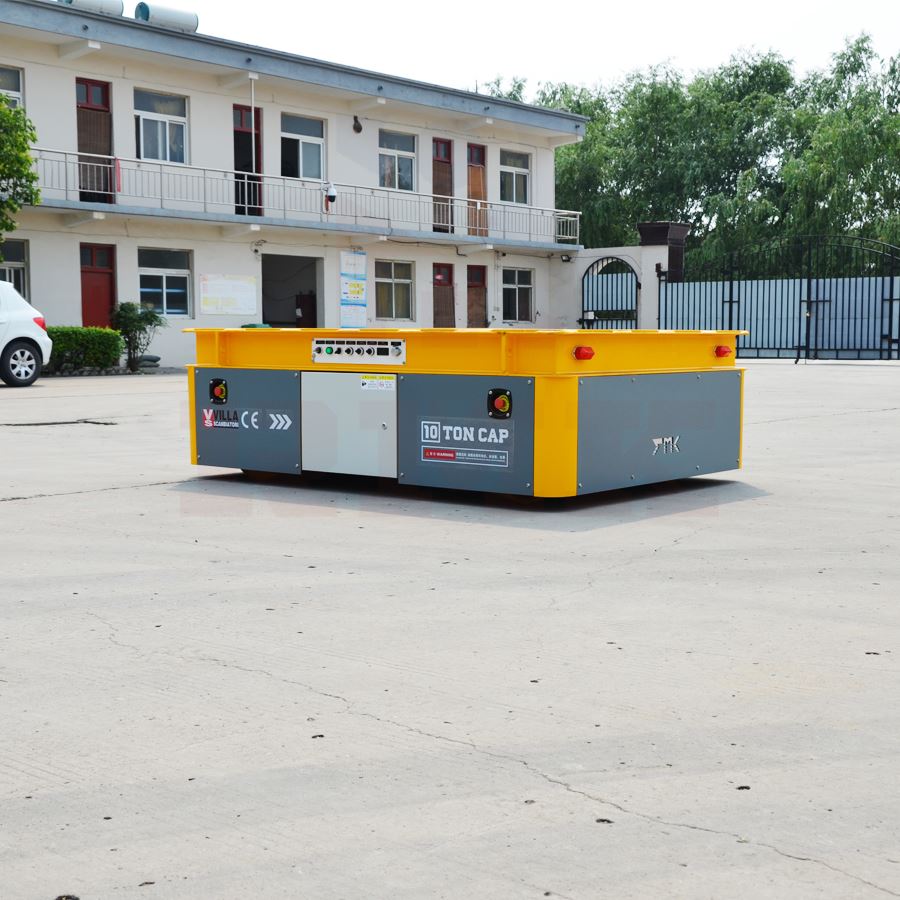
However, it's important to note that these limitations don't mean trackless transfer carts aren't worth it. In fact, they offer a whole bunch of benefits that often outweigh the drawbacks. They're highly flexible, as they don't need tracks, which means you can change their routes easily. They're also relatively easy to install and maintain compared to tracked carts.
When it comes to choosing the right trackless transfer cart for your needs, it's all about understanding your specific requirements. Consider the terrain, the load you need to carry, and the operating environment. If you have a mostly flat indoor space with a consistent load, a standard trackless transfer cart might be perfect. But if you're dealing with more challenging conditions, you might need to look into a more heavy - duty or specialized model.
So, are the limitations deal - breakers? Not necessarily. With proper planning and maintenance, you can minimize the impact of these limitations. And as a trackless transfer cart supplier, I'm here to help you make the best choice for your business. Whether you're looking for a small cart for light - duty tasks or a heavy - duty cart for large - scale operations, we've got you covered.
If you're interested in learning more about our trackless transfer carts or want to discuss your specific needs, don't hesitate to reach out. We can have a detailed conversation about how our carts can fit into your workflow and help you get the most out of them. Let's start a discussion and see how we can make your material handling operations more efficient and cost - effective.
References
- Industry reports on material handling equipment
- Manufacturer's specifications for trackless transfer carts


