

As a supplier of rail transfer carts, I've often been asked whether our products can be utilized in pharmaceutical factories. This question is not only relevant but also crucial for pharmaceutical manufacturers looking to optimize their internal logistics and production processes. In this blog post, I'll explore the feasibility, benefits, and considerations of using rail transfer carts in a pharmaceutical factory setting.
Feasibility of Rail Transfer Carts in Pharmaceutical Factories
Pharmaceutical factories have unique requirements due to the nature of their products, which are often sensitive to contamination, temperature, and humidity. However, rail transfer carts can be designed and customized to meet these specific needs.
Cleanliness and Hygiene
One of the primary concerns in a pharmaceutical factory is maintaining a clean and hygienic environment. Rail transfer carts can be constructed with materials that are easy to clean and disinfect, such as stainless steel or powder-coated steel. Additionally, the design can minimize crevices and corners where dust and debris can accumulate, reducing the risk of contamination. For example, the Omnimove Transfer Cart can be equipped with smooth surfaces and sealed components to prevent the ingress of particles.
Precision and Stability
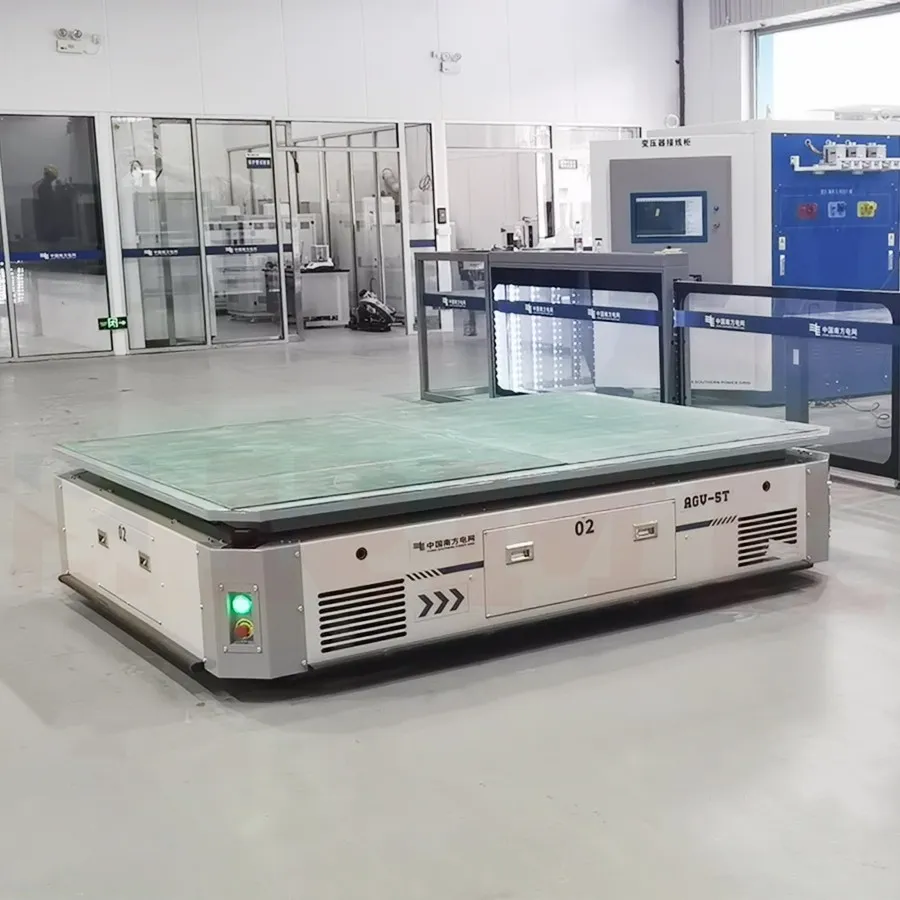
Pharmaceutical production often involves handling delicate and expensive materials and equipment. Rail transfer carts offer precise movement and positioning, ensuring that products are transported safely and accurately. They can be programmed to follow specific routes and stop at predefined locations, minimizing the risk of damage to goods. The self - locking mechanisms and anti - collision sensors of Self Propelled Transporter enhance the stability and safety of the transportation process.
Compatibility with Existing Infrastructure
Most pharmaceutical factories already have a well - established layout and infrastructure. Rail transfer carts can be integrated into the existing production lines and storage areas with relative ease. They can be designed to fit through narrow aisles and doorways, making them suitable for use in space - constrained environments. The modular design of Electric Transfer Cart allows for flexibility in installation and adaptation to different factory layouts.
Benefits of Using Rail Transfer Carts in Pharmaceutical Factories
Increased Efficiency
By automating the material handling process, rail transfer carts can significantly increase the efficiency of pharmaceutical production. They can operate continuously without breaks, reducing the time required for manual transportation. This leads to faster production cycles and higher output, ultimately improving the overall productivity of the factory.
Cost Savings
In the long run, using rail transfer carts can result in cost savings for pharmaceutical manufacturers. They require less labor compared to manual handling, reducing labor costs. Additionally, the precision and stability of rail transfer carts minimize the risk of product damage, which can lead to significant cost savings associated with waste and rework.
Safety Improvement
Rail transfer carts are equipped with various safety features, such as emergency stop buttons, anti - collision sensors, and warning lights. These features help to prevent accidents and injuries in the workplace, creating a safer environment for employees. Moreover, the automated operation reduces the need for workers to be exposed to potentially hazardous materials and processes.
Considerations When Using Rail Transfer Carts in Pharmaceutical Factories
Regulatory Compliance
Pharmaceutical factories are subject to strict regulations regarding product quality, safety, and environmental protection. When selecting a rail transfer cart, it is essential to ensure that it complies with all relevant regulations, such as Good Manufacturing Practice (GMP) standards. The materials used in the construction of the cart, as well as its cleaning and maintenance procedures, should meet the regulatory requirements.
Customization Requirements
Each pharmaceutical factory has its own unique requirements and production processes. Therefore, it may be necessary to customize the rail transfer cart to meet these specific needs. This could include features such as temperature control, vibration isolation, or special handling mechanisms. Working closely with a supplier who can provide customized solutions is crucial to ensure that the cart meets all the requirements of the factory.
Maintenance and Service
Regular maintenance and service are essential to ensure the reliable operation of rail transfer carts. Pharmaceutical factories should establish a maintenance schedule and work with a supplier who can provide prompt and efficient service. This includes routine inspections, lubrication, and replacement of worn - out parts.
Conclusion
In conclusion, rail transfer carts can be a valuable asset in a pharmaceutical factory. They offer a range of benefits, including increased efficiency, cost savings, and safety improvement. However, it is important to carefully consider the feasibility, regulatory compliance, customization requirements, and maintenance needs before making a decision.
If you are a pharmaceutical manufacturer interested in exploring the use of rail transfer carts in your factory, I encourage you to contact us for a detailed consultation. Our team of experts can help you determine the most suitable solution for your specific needs and provide you with a customized quote. We look forward to the opportunity to work with you and contribute to the success of your pharmaceutical production.

References
- "Good Manufacturing Practice Guide for Medicinal Products in the European Union", European Commission.
- Industry reports on material handling solutions in pharmaceutical manufacturing.


