

Do rail shunters need to be familiar with different types of trains? Well, let me tell you, as a supplier of rail shunters, I've thought about this a whole lot. And the short answer is a big fat yes!
First off, different trains have different sizes and weights. You've got those long - haul freight trains that are just massive. They can be loaded with all sorts of heavy stuff like coal, steel, or big machinery. On the other hand, there are passenger trains, which are designed more for speed and comfort. A rail shunter needs to know these differences because it directly affects how they operate.
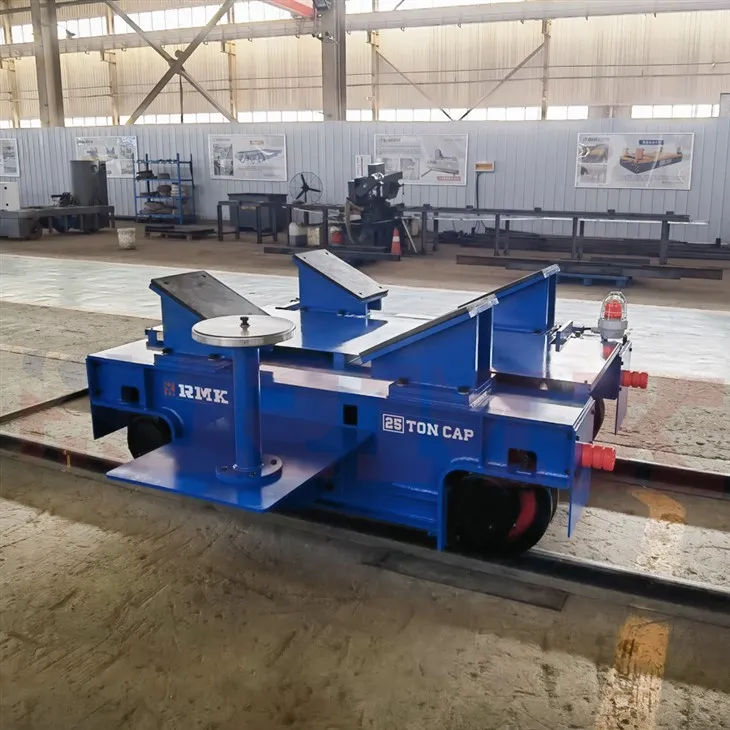
When it comes to freight trains, especially the ones carrying heavy loads like steel, the shunter has to be extra careful. These trains are really heavy, and moving them around requires a lot of power. That's where our high - quality rail shunters come in. They're built to handle the tough job of moving these massive steel - laden trains. You can check out our Steel Transfer Cart on our website. It's specifically designed to deal with the weight and bulk of steel transportation within a rail yard.
Passenger trains, however, are a different story. They're all about getting people to their destinations safely and on time. They're usually lighter and more streamlined than freight trains. A rail shunter has to be familiar with the layout of passenger platforms and the schedules. They need to know how to move these trains in and out of stations quickly and smoothly. This is crucial for maintaining the efficiency of the entire rail network.
Another aspect is the different coupling systems used on various trains. Some older trains might have a more traditional coupling method, while newer ones could have a more advanced, automated system. A rail shunter has to be well - versed in all these coupling types. If they're not, it can lead to delays and even safety hazards. For example, if a shunter tries to couple two trains with incompatible systems, it could cause a derailment or other serious problems.
Let's talk about military trains too. Military trains often carry sensitive equipment and supplies. They have their own set of security and handling requirements. Our Military Industry Transfer Cart is designed to meet the specific needs of military rail operations. Rail shunters working with military trains need to be aware of the strict security protocols and the unique nature of the cargo. This might involve special handling procedures and a higher level of confidentiality.
There are also specialized trains like those used for transporting coils. Coils are large, round objects that need to be handled with care to prevent damage. Our Coil Transfer Cart is tailored to move these coils safely within the rail yard. A shunter dealing with coil - carrying trains has to understand how to position the cart correctly and how to secure the coils during transit.
In addition to the physical differences between trains, there are also differences in their operating characteristics. Some trains are diesel - powered, while others are electric. Diesel trains might require different handling procedures when it comes to refueling and maintenance. Electric trains, on the other hand, need to be connected to the right power sources. A rail shunter needs to know these details to ensure that the trains are running smoothly.
From a safety perspective, being familiar with different types of trains is non - negotiable. Each type of train has its own potential risks. For example, a train carrying hazardous materials needs to be handled with extreme caution. The shunter has to know the emergency procedures in case of a spill or other incidents. They also need to be aware of the proper ventilation requirements and the safe distances to keep from the train.
When it comes to efficiency, knowledge of different trains is key. A well - informed shunter can move trains around the rail yard more quickly and with fewer errors. This means less downtime and more productivity for the entire rail operation. For instance, if a shunter knows the best way to position a freight train for loading and unloading, it can save a lot of time.
As a supplier of rail shunters, we understand the importance of providing equipment that can handle the diverse needs of different trains. Our rail shunters are designed to be versatile and adaptable. They can be customized to work with various types of trains and different rail yard layouts. Whether it's a small local train or a long - distance freight behemoth, our shunters are up to the task.
If you're in the business of rail operations and you're looking for high - quality rail shunters, we're here to help. We've got the expertise and the products to meet your specific needs. Whether you're dealing with passenger trains, freight trains, military trains, or specialized trains like those carrying coils or steel, our rail shunters can make your operations more efficient and safer.
Don't hesitate to reach out to us for more information or to discuss your requirements. We're always happy to have a chat and see how we can assist you in getting the right rail shunter for your business.

References
- Railway Operations Handbook: A comprehensive guide to the various aspects of rail operations, including train types and handling.
- Safety Standards in Rail Transportation: A document that outlines the safety requirements for different types of trains and rail shunting operations.


