

Hey there! As a supplier of Rail Shunters, I've been thinking a lot about whether rail shunters need to have a good understanding of railway infrastructure. In my opinion, it's not just a nice - to - have; it's an absolute must. Let's dig into why this is the case.
First off, let's talk about what rail shunters actually do. Rail shunters are responsible for moving railway cars around in yards, sidings, and sometimes even on short sections of mainline tracks. They couple and uncouple cars, position them for loading and unloading, and ensure that everything runs smoothly in the rail yard. Sounds simple, right? Well, it's a lot more complicated than it seems, and that's where a good understanding of railway infrastructure comes in.
One of the key aspects of railway infrastructure is the track layout. Rail yards can be incredibly complex, with multiple tracks, switches, and crossovers. A rail shunter needs to know exactly where each track leads, which switches are set to which direction, and how to safely navigate through the yard. Without this knowledge, they could easily end up sending a train down the wrong track, which could lead to collisions, derailments, and all sorts of other disasters. For example, if a shunter doesn't understand how a particular switch works and accidentally sets it to the wrong position, a train might end up crashing into a dead - end track or another train on a parallel track.
Another important part of railway infrastructure is the signaling system. Signals are used to control the movement of trains and ensure that they maintain a safe distance from each other. Rail shunters need to be able to read and understand these signals. They need to know what each signal means, whether it's a green light indicating that it's safe to proceed, a yellow light warning of an upcoming change in conditions, or a red light meaning stop. Misinterpreting a signal can have serious consequences. For instance, if a shunter ignores a red signal and moves a train forward, it could collide with another train that's approaching on the same track.
The loading and unloading facilities also form a crucial part of railway infrastructure. Different types of cargo require different types of loading and unloading equipment. For example, a Power Industry Transfer Cart is used in the power industry to move heavy equipment and materials. A rail shunter needs to understand how these facilities work so that they can position the railway cars correctly for loading and unloading. If they don't, it could lead to inefficient loading, damage to the cargo, or even accidents during the loading or unloading process.
Similarly, in the aerospace industry, Aerospace Transfer Cart are used to transport delicate and high - value aerospace components. Rail shunters need to be aware of the specific requirements of these transfer carts and the aerospace cargo. They need to ensure that the cars are positioned accurately and that the transfer process is carried out smoothly to avoid any damage to the components.
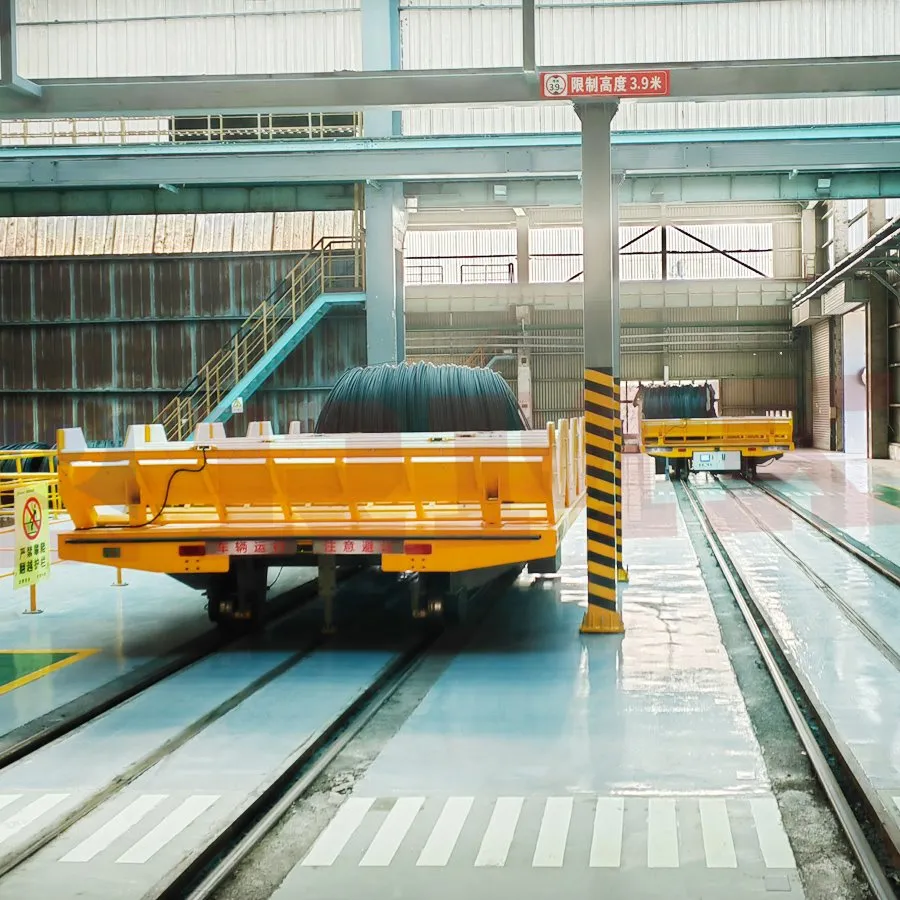
In the steel industry, Steel Transfer Cart are used to move large steel products. Rail shunters must understand the weight and balance requirements of these heavy loads. Incorrect positioning of the railway cars during the loading of steel products could lead to an unstable load, which might shift during transit and cause the train to derail.
Maintenance of the railway infrastructure is another area where a shunter's knowledge can be valuable. Shunters are often the first ones to notice any problems with the tracks, signals, or other infrastructure components. If they have a good understanding of how the infrastructure works, they can quickly identify issues such as a loose rail, a malfunctioning signal, or a damaged switch. They can then report these problems to the maintenance crew in a timely manner, which can prevent more serious problems from developing. For example, if a shunter notices a small crack in a rail, early reporting can lead to repairs before the crack grows and causes a derailment.
Now, let's talk about safety. Safety is the number one priority in the railway industry. A shunter with a good understanding of railway infrastructure is better equipped to make safe decisions. They know the rules and regulations regarding track usage, speed limits, and equipment operation. They can anticipate potential hazards and take appropriate precautions. For example, they know that they should slow down when approaching a curve or a switch, and they understand the importance of wearing proper safety gear.
Training is also an important factor. To ensure that rail shunters have a good understanding of railway infrastructure, proper training programs should be in place. These programs should cover everything from track layout and signaling systems to loading and unloading procedures. As a Rail Shunter supplier, I believe that we have a responsibility to support these training initiatives. We can provide information about the capabilities and limitations of our shunters, and how they interact with different types of railway infrastructure.
In addition to safety, efficiency is another major benefit of shunters having a good understanding of railway infrastructure. When shunters know how everything works, they can move trains around more quickly and smoothly. They can optimize the use of tracks, switches, and loading facilities, which can lead to faster turnaround times for trains. This, in turn, can increase the overall productivity of the rail yard and reduce costs for the railway company.
So, to sum it up, rail shunters definitely need to have a good understanding of railway infrastructure. It's essential for safety, efficiency, and the smooth operation of the rail yard. As a Rail Shunter supplier, I'm committed to working with railway companies to ensure that their shunters are well - trained and equipped to handle the challenges of modern railway infrastructure.
If you're in the market for a reliable Rail Shunter and want to discuss how our products can fit into your railway infrastructure, I'd love to have a chat. Feel free to reach out and start a conversation about your specific needs. Let's work together to make your rail operations safer and more efficient.
References

- Railway Safety Regulations Handbook
- Industry - specific guides on railway infrastructure maintenance and operation


