

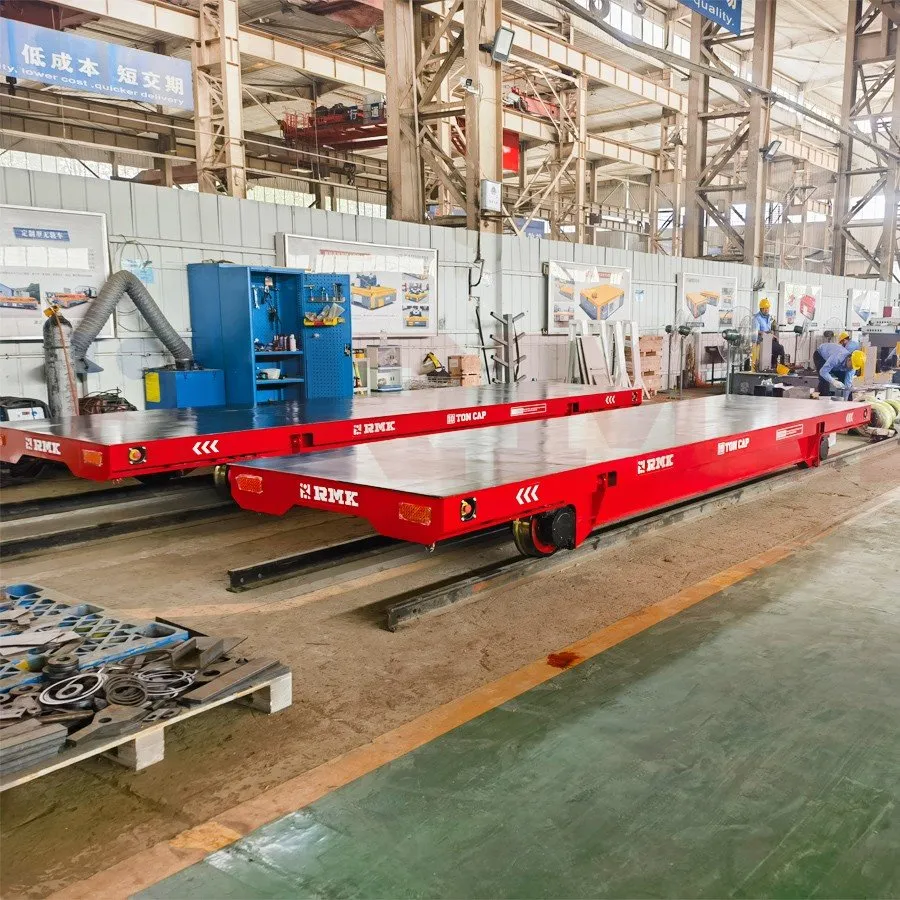
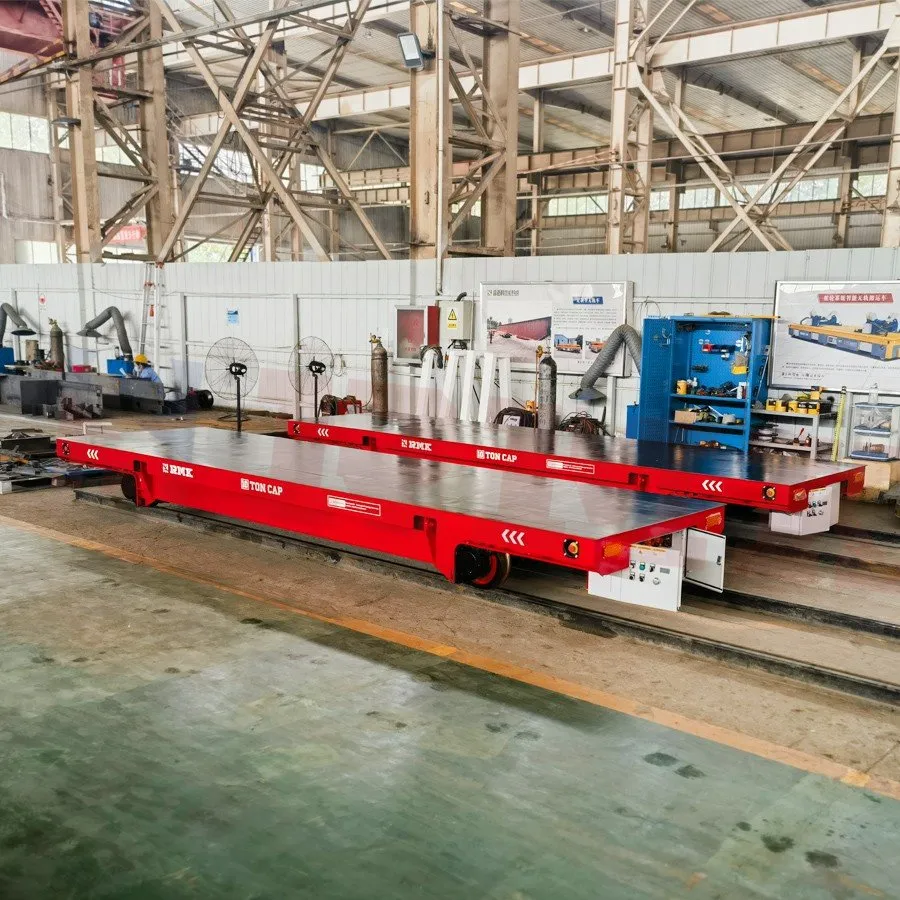
As a seasoned provider of Heavy Load Transfer Carts, I've witnessed firsthand the critical role these machines play in various industrial applications. One of the most common questions we encounter from our clients is how these carts adapt to different floor materials. In this blog post, I'll delve into the technical aspects of this topic, exploring the key factors that influence a cart's performance on diverse surfaces and the strategies we employ to ensure optimal functionality.
Understanding the Challenges of Different Floor Materials
Industrial facilities can feature a wide range of floor materials, each with its own unique characteristics and challenges. Some of the most common floor types include concrete, steel, wood, and epoxy. Let's take a closer look at how these materials can impact the performance of a Heavy Load Transfer Cart:
- Concrete Floors: Concrete is one of the most prevalent floor materials in industrial settings due to its durability and load-bearing capacity. However, concrete floors can vary in terms of surface finish, smoothness, and porosity. Rough or uneven concrete surfaces can cause increased wear and tear on the cart's wheels and may lead to reduced traction, while porous concrete can absorb moisture and chemicals, potentially damaging the cart's components.
- Steel Floors: Steel floors are often used in applications where high strength and corrosion resistance are required, such as in the automotive and aerospace industries. While steel floors offer excellent load-bearing capabilities, they can be slippery, especially when wet or contaminated with oil or grease. This can pose a significant challenge for Heavy Load Transfer Carts, as it can affect their stability and maneuverability.
- Wood Floors: Wood floors are commonly found in industries such as furniture manufacturing and woodworking. While wood floors can provide a relatively smooth surface for cart movement, they are susceptible to damage from heavy loads, abrasion, and moisture. Additionally, wood floors may have uneven surfaces or joints that can cause the cart to jolt or become misaligned.
- Epoxy Floors: Epoxy floors are a popular choice for industrial facilities due to their chemical resistance, durability, and easy maintenance. However, epoxy floors can be slippery when wet, and their smooth surface can reduce the cart's traction. In addition, the hardness of the epoxy coating can cause increased wear on the cart's wheels.
Key Factors in Cart Adaptation
To ensure that our Heavy Load Transfer Carts can operate effectively on different floor materials, we take several key factors into consideration during the design and manufacturing process. These factors include:
- Wheel Selection: The choice of wheels is crucial in determining a cart's performance on different floor surfaces. We offer a variety of wheel options, including rubber, polyurethane, and steel, each with its own unique properties and advantages. Rubber wheels provide excellent traction and shock absorption, making them suitable for use on rough or uneven surfaces. Polyurethane wheels offer high load capacity, low rolling resistance, and good chemical resistance, making them ideal for use on smooth or epoxy-coated floors. Steel wheels are the most durable option and are often used on steel or concrete floors where high load capacity and wear resistance are required.
- Traction Control Systems: In addition to wheel selection, we also incorporate traction control systems into our carts to improve their stability and maneuverability on slippery or uneven surfaces. These systems can include features such as anti-slip coatings, differential drives, and electronic traction control. Anti-slip coatings can be applied to the wheels or the floor surface to increase friction and prevent slipping. Differential drives allow the wheels on each side of the cart to rotate at different speeds, which can improve the cart's turning radius and traction on uneven surfaces. Electronic traction control systems use sensors to monitor the cart's speed and wheel rotation and adjust the power delivery to the wheels accordingly, ensuring optimal traction and stability.
- Suspension Systems: A well-designed suspension system is essential for ensuring a smooth and stable ride on different floor materials. Our carts are equipped with suspension systems that can absorb shocks and vibrations, reducing the stress on the cart's components and improving its overall performance. Suspension systems can include features such as springs, dampers, and airbags, which can be adjusted to suit the specific requirements of the application.
- Steering Mechanisms: The steering mechanism of a Heavy Load Transfer Cart plays a critical role in its maneuverability and adaptability to different floor surfaces. We offer a variety of steering options, including manual steering, electric steering, and hydraulic steering, each with its own unique advantages. Manual steering is the simplest and most cost-effective option, but it requires more physical effort from the operator. Electric steering offers greater precision and control, while hydraulic steering provides the highest level of power and performance.
Customization and Adaptation
At our company, we understand that every industrial application is unique, and that's why we offer customized Heavy Load Transfer Carts to meet the specific needs of our clients. Whether you need a cart that can operate on a specific floor material, or you require a cart with special features or capabilities, our team of experienced engineers can work with you to design and build a solution that meets your exact requirements.
In addition to customization, we also offer a range of services to help our clients adapt their existing carts to different floor materials. These services include wheel replacement, suspension upgrades, and traction control system installation. Our team of technicians can perform these services on-site or at our facility, ensuring minimal disruption to your operations.
Real-World Examples
To illustrate the effectiveness of our Heavy Load Transfer Carts in adapting to different floor materials, let's take a look at a few real-world examples:
- Automotive Manufacturing: In an automotive manufacturing plant, our Heavy Load Transfer Carts are used to transport heavy engine blocks and other components between different production stations. The plant has a combination of concrete and steel floors, which can be slippery and uneven. To ensure optimal performance, we equipped the carts with rubber wheels and a differential drive system. The rubber wheels provide excellent traction on the rough concrete surfaces, while the differential drive system allows the carts to navigate the steel floors with ease.
- Furniture Manufacturing: In a furniture manufacturing facility, our Heavy Load Transfer Carts are used to move large pieces of furniture between the assembly line and the storage area. The plant has a wood floor, which can be prone to damage from heavy loads and abrasion. To protect the floor and ensure smooth operation, we equipped the carts with polyurethane wheels and a suspension system. The polyurethane wheels offer high load capacity and low rolling resistance, while the suspension system absorbs shocks and vibrations, reducing the stress on the floor and the cart's components.
- Food Processing: In a food processing plant, our Heavy Load Transfer Carts are used to transport pallets of food products between different processing areas. The plant has an epoxy-coated floor, which can be slippery when wet. To improve traction and prevent slipping, we equipped the carts with anti-slip wheels and an electronic traction control system. The anti-slip wheels provide additional grip on the smooth epoxy surface, while the electronic traction control system adjusts the power delivery to the wheels based on the cart's speed and wheel rotation, ensuring optimal traction and stability.
Conclusion
In conclusion, the ability of a Heavy Load Transfer Cart to adapt to different floor materials is crucial for its performance and reliability in industrial applications. By considering factors such as wheel selection, traction control systems, suspension systems, and steering mechanisms, we can design and build carts that can operate effectively on a wide range of floor surfaces. Whether you're looking for a standard cart or a customized solution, our team of experts can help you find the right Heavy Load Transfer Cart for your needs.
If you're interested in learning more about our Heavy Load Transfer Carts or would like to discuss your specific requirements, please don't hesitate to contact us. We'd be happy to provide you with more information and answer any questions you may have. You can explore our product range, including Industrial Transport Cart, Omnimove Transfer Cart, and Battery Transfer Trolley on our website. We look forward to the opportunity to work with you and help you optimize your material handling operations.
References
- "Industrial Material Handling Equipment: Design and Applications" by John A. White
- "Materials Handling Handbook" by Raymond A. Goetsch
- "Wheels and Tires for Industrial Carts: A Comprehensive Guide" by Industrial Wheels Association


