

As a seasoned player in the industry of buildings transfer carts, I've witnessed firsthand the growing demand for these indispensable pieces of equipment across various sectors. From construction sites to industrial complexes, buildings transfer carts have become a staple for smoothly moving heavy loads. However, a question that frequently surfaces is just how easy it is to maneuver one of these transfer carts. In this blog, I'll draw upon my extensive practical experience and knowledge to break down and provide a detailed answer to this crucial question.
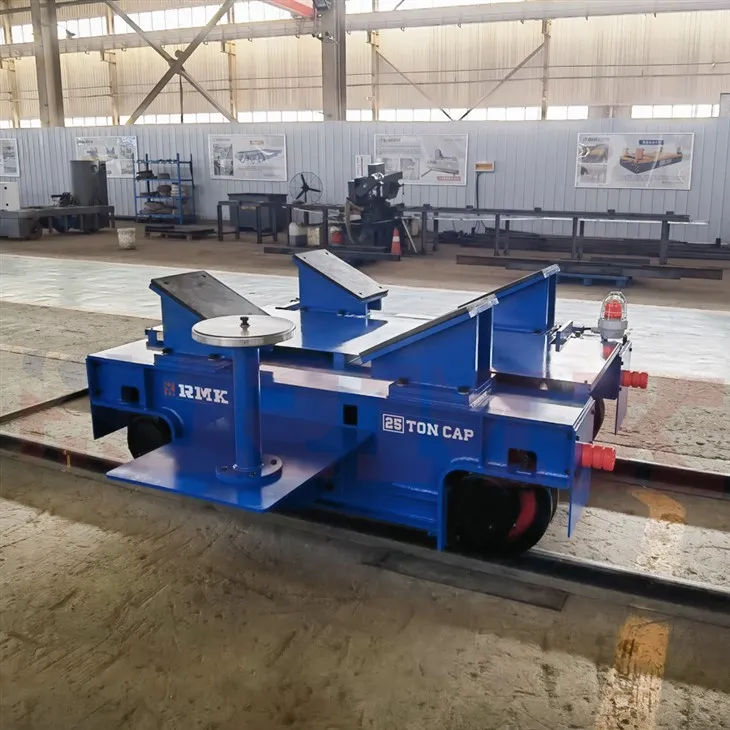
Let's first understand the key factors that influence the maneuverability of buildings transfer carts. Design is paramount. Modern buildings transfer carts are engineered with precision. They come in different configurations - some with multiple steering axles that allow for a high degree of flexibility. For example, a cart with a multi - axle steering system can perform tight turns, which is incredibly useful in confined construction sites where space is at a premium. These designs are a result of continuous innovation in response to the real - life challenges faced on work floors.
The control system also plays a vital role in determining how easy it is to maneuver a buildings transfer cart. Most contemporary carts are equipped with user - friendly control panels. Whether it's a wired pendant controller or a wireless remote control, operators can easily manage the speed, direction, and braking functions of the cart. The interface is typically straightforward, with clearly labeled buttons, reducing the learning curve for new operators. For instance, with a push - of - a - button, an operator can start the cart, gradually increase its speed, and then bring it to a smooth halt when reaching the destination. This simplicity in operation has greatly enhanced the overall maneuverability of these carts.
Another significant factor is the power source. Buildings transfer carts can be powered by various means, such as batteries, electric, or diesel. Battery - powered carts offer a clean and quiet operation. They are also relatively easy to control, as they usually have a more consistent power output compared to some other sources. The lack of fumes makes them suitable for indoor use, where air quality is a concern. Electrically powered carts are known for their high - precision speed control. They can be adjusted to move at very slow, precise rates, which is beneficial when positioning heavy building materials accurately. Diesel - powered carts, while providing more robust power for heavier loads, need a bit more skill to operate due to factors like engine controls and exhaust management. However, advanced technologies have also made them relatively approachable for experienced operators.
Experience plays a huge part in judging how easy it is to maneuver a buildings transfer cart. For a trained and experienced operator, the process can seem like second nature. They are familiar with the nuances of the cart's design, control system, and power source. They know how to anticipate the cart's movements, avoid sudden jerks, and make fine - tuned adjustments during the maneuvering process. On the other hand, for a novice, there might be a bit of a struggle initially. But with proper training and hands - on practice, even a beginner can become proficient in operating these carts over time.
To further illustrate the maneuverability of transfer carts, let's take a look at some real - world applications. In large - scale building construction projects, transfer carts are used to transport pre - fabricated building components from storage areas to the construction site. These carts need to navigate through narrow passages between other equipment, workers, and temporary structures. The ease with which they can do so depends on their maneuverability features. Thanks to modern designs and control systems, these carts can efficiently move through such complex environments, getting the materials to the right place at the right time.
Building renovation projects also rely heavily on transfer carts. In older buildings with limited access, the ability to maneuver precisely is crucial. Transfer carts can be used to carry out demolition debris or bring in new construction materials. With their improved maneuverability, they can access tight corners and narrow stairwells in a controlled manner, minimizing damage to the surrounding structure.
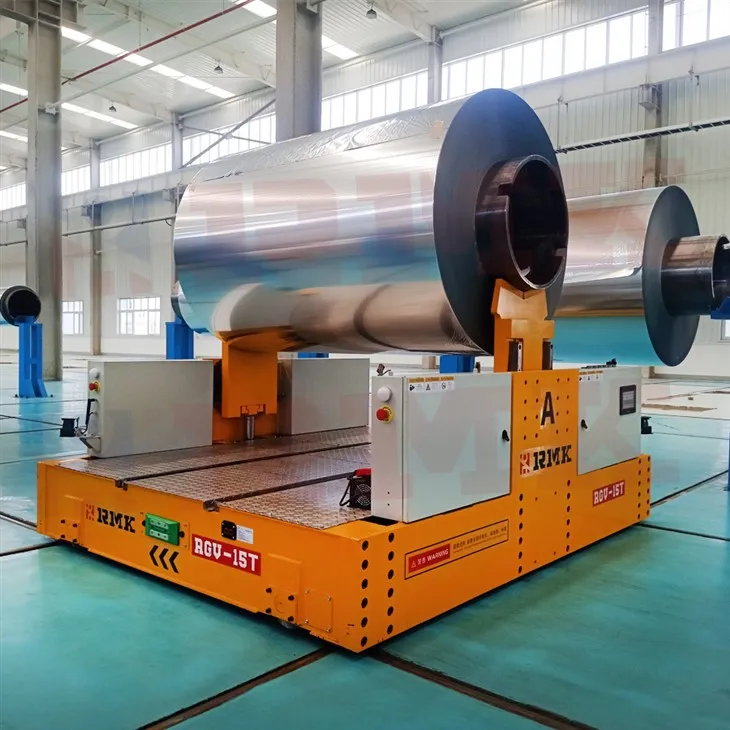
Now, it's worth comparing buildings transfer carts with some of our other specialized transfer cart offerings, such as the Coil Transfer Cart, Military Industry Transfer Cart, and Aerospace Transfer Cart. Each type of cart has its unique requirements for maneuverability. The coil transfer cart, for example, needs to handle long and heavy coils safely. Its design is optimized to ensure stable movement and precise positioning of the coils. The military industry transfer cart may operate in challenging terrains and under strict security protocols, which require high - level maneuverability and reliability. The aerospace transfer cart is engineered to meet the ultra - precise demands of the aerospace industry, where even the slightest error in movement can lead to significant consequences.
In conclusion, the maneuverability of buildings transfer carts has come a long way. Thanks to smart design, advanced control systems, and diverse power sources, they have become much easier to operate. However, as with any piece of heavy equipment, proper training and experience are essential for safe and efficient operation. Whether you're on a large - scale construction site or a building renovation project, having a well - maneuverable transfer cart can make a world of difference in terms of productivity and safety.
If you're interested in our buildings transfer carts or any of our other specialized transfer cart products, I encourage you to reach out to us for a consultation. Our team of experts is more than ready to assist you in finding the perfect cart for your specific needs. We can provide in - depth product information, send you detailed specifications, and even arrange a product demonstration if required. Let's start a conversation and explore how our transfer carts can enhance your operations!
References:
- Industry reports on building transfer cart technology advancements.
- Internal company records on user feedback and product development.
- Practical experience and observations from operating various transfer carts in different worksites over the years.


