

As a supplier of Heavy Load Transfer Carts, I'm excited to delve into the data - logging functions of these essential industrial vehicles. Data logging is a crucial aspect that can significantly enhance the efficiency, safety, and maintenance of Heavy Load Transfer Carts.
1. Monitoring Operational Parameters
One of the primary data - logging functions of a Heavy Load Transfer Cart is to monitor various operational parameters. These parameters include speed, acceleration, and deceleration. By continuously logging the speed of the cart, operators can ensure that it is moving within the safe and optimal range. For instance, if the cart is moving too fast, it may pose a risk to the load and the surrounding environment. On the other hand, if it is moving too slowly, it can lead to inefficiencies in the production process.
Acceleration and deceleration data are also vital. Sudden or excessive acceleration can cause the load to shift, potentially leading to damage. Similarly, improper deceleration can result in collisions or sudden stops that may harm the cart and its contents. Our Heavy Load Transfer Carts are equipped with sensors that accurately record these parameters over time. This data can be analyzed to identify patterns and make adjustments to the cart's operation.
In addition to speed, acceleration, and deceleration, the cart can also log the load weight. This is especially important when dealing with heavy loads. By knowing the exact weight of the load, operators can ensure that the cart is not overloaded, which can cause premature wear and tear on the cart's components. Overloading can also lead to safety hazards, such as tire blowouts or structural failures. Our Battery Transfer Trolley models are designed with advanced load - sensing technology that can precisely measure and log the weight of the load.
2. Recording Energy Consumption
Energy consumption is another critical aspect that is logged by Heavy Load Transfer Carts. For Electric Transfer Cart models, monitoring energy usage is essential for optimizing battery life and reducing operating costs. The data - logging system records the amount of energy consumed during each trip, as well as over a longer period.
By analyzing this data, operators can identify energy - inefficient routes or operations. For example, if a particular route requires the cart to use more energy due to inclines or rough surfaces, adjustments can be made to find a more energy - efficient path. Additionally, the data can help in predicting battery life. If the energy consumption rate is increasing over time, it may indicate that the battery is deteriorating and needs to be replaced.
Our data - logging systems also provide insights into the charging patterns of the carts. They can record the time of charging, the amount of energy added during each charge, and the state of charge before and after charging. This information is valuable for managing the charging infrastructure and ensuring that the carts are always ready for operation.
3. Tracking Maintenance Requirements
Heavy Load Transfer Carts are complex machines that require regular maintenance to ensure optimal performance and safety. Data logging plays a crucial role in tracking maintenance requirements. The system can record the running hours of the cart, the number of trips made, and the distance traveled.
Based on this data, maintenance schedules can be optimized. For example, if a cart has reached a certain number of running hours or trips, it may be due for a routine inspection or component replacement. By proactively scheduling maintenance, the risk of unexpected breakdowns can be significantly reduced.
The data - logging system can also detect early signs of component wear. For instance, if the vibration levels of the cart are increasing over time, it may indicate that a bearing or other component is starting to fail. By analyzing the logged vibration data, maintenance teams can identify these issues before they lead to major problems. Our Motorized Transfer Cart models are equipped with advanced sensors that can accurately detect and log these types of anomalies.
4. Safety and Incident Logging
Safety is of utmost importance in any industrial setting, and Heavy Load Transfer Carts are no exception. The data - logging functions of these carts include safety - related data recording. For example, the system can log any instances of collisions, near - misses, or sudden stops.
By analyzing this data, safety managers can identify the root causes of these incidents. It could be due to operator error, poor visibility, or mechanical issues. Once the causes are identified, appropriate measures can be taken to prevent similar incidents from occurring in the future.
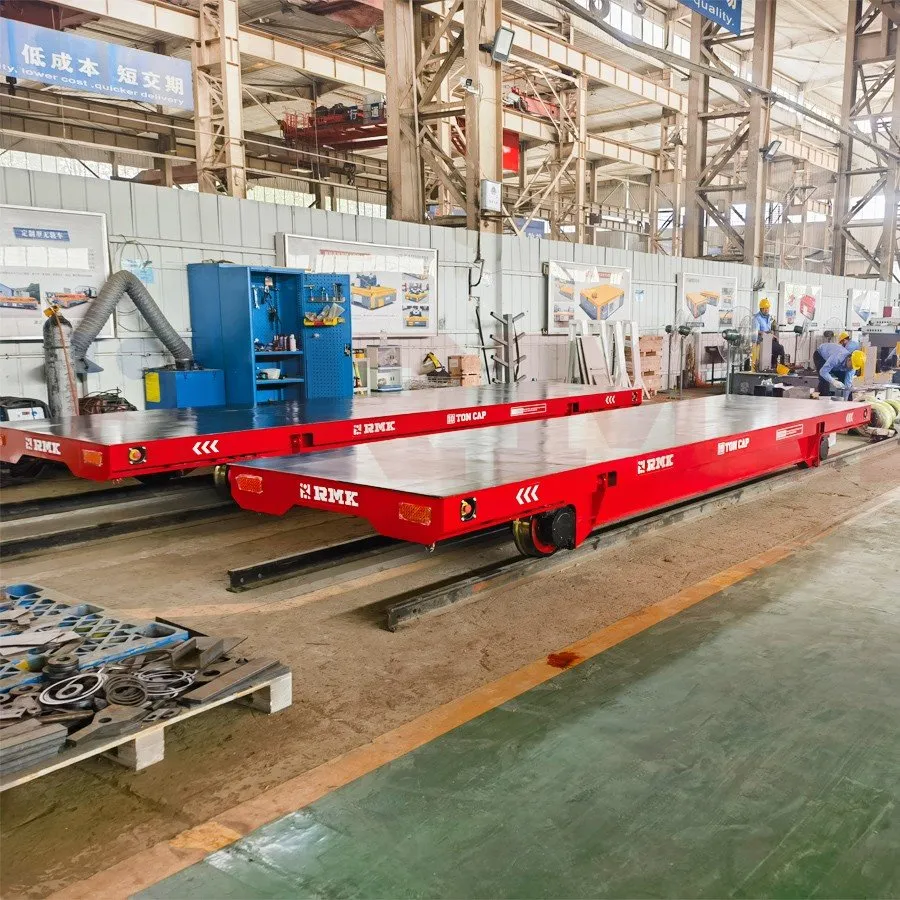
The data - logging system can also record the use of safety features, such as emergency stops and anti - collision sensors. This information can be used to evaluate the effectiveness of these safety measures and make improvements if necessary.

5. Integration with Other Systems
Our Heavy Load Transfer Carts are designed to be highly integrated with other industrial systems. The data - logging functions can be connected to the factory's overall data management system. This allows for seamless sharing of information between different departments, such as production, maintenance, and safety.
For example, the production department can use the logged data to optimize the workflow and improve productivity. The maintenance department can access the data to plan and schedule maintenance tasks more effectively. The safety department can analyze the safety - related data to enhance the overall safety of the workplace.
6. Benefits of Data Logging
The data - logging functions of Heavy Load Transfer Carts offer numerous benefits. Firstly, they improve operational efficiency. By analyzing the logged data, operators can identify areas for improvement, such as optimizing routes, reducing energy consumption, and streamlining maintenance schedules.
Secondly, data logging enhances safety. By recording safety - related incidents and analyzing the data, potential hazards can be identified and mitigated before they cause serious accidents.
Thirdly, it helps in reducing costs. By optimizing energy consumption and maintenance schedules, the overall operating costs of the carts can be significantly reduced.

7. Conclusion
In conclusion, the data - logging functions of Heavy Load Transfer Carts are essential for ensuring efficient, safe, and cost - effective operation. Our company, as a leading supplier of Heavy Load Transfer Carts, is committed to providing high - quality products with advanced data - logging capabilities. Whether you are looking for a Battery Transfer Trolley, Motorized Transfer Cart, or Electric Transfer Cart, our products are designed to meet your specific needs.
If you are interested in learning more about our Heavy Load Transfer Carts and their data - logging functions, or if you have any specific requirements for your industrial application, we encourage you to contact us for a detailed discussion and potential procurement. Our team of experts is ready to assist you in finding the perfect solution for your business.
References
- Industrial Vehicle Handbook: A comprehensive guide to heavy - duty industrial vehicles and their operation.
- Journal of Industrial Engineering: Articles on the latest advancements in data - logging technology for industrial equipment.
- Manufacturer's Manuals: Technical documentation provided by the manufacturers of components used in Heavy Load Transfer Carts.


