

What is the noise - reduction design of a Motorized Transfer Cart?
As a leading supplier of motorized transfer carts, we understand the importance of noise - reduction design in these industrial vehicles. Noise in motorized transfer carts can be a significant issue, not only causing discomfort to operators but also potentially leading to safety hazards in the workplace. In this blog, we will delve into the concept of noise - reduction design for motorized transfer carts, exploring the sources of noise, the methods of reduction, and the benefits it brings.
Sources of Noise in Motorized Transfer Carts
Before we discuss the noise - reduction design, it is crucial to understand where the noise in motorized transfer carts comes from. There are several primary sources of noise in these vehicles:
-
Motor Noise: The motor is the heart of a motorized transfer cart, and it is also a major source of noise. When the motor operates, the rotation of the motor's rotor and the magnetic field interaction generate mechanical vibrations and electromagnetic noises. The higher the power of the motor and the faster its rotation speed, the louder the noise it produces.
-
Wheel - Rail Friction Noise: As the transfer cart moves on the rails, the friction between the wheels and the rails creates noise. This noise is affected by factors such as the surface roughness of the wheels and rails, the load on the cart, and the speed of movement. When the wheels encounter uneven rail surfaces or when the cart is overloaded, the friction noise can be significantly increased.
-
Gearbox Noise: In motorized transfer carts equipped with gearboxes, the meshing of gears is another source of noise. The impact and friction between gear teeth during operation generate vibrations and noise. Improper gear design, manufacturing errors, or lack of lubrication can all lead to increased gearbox noise.
-
Braking System Noise: The braking system of the transfer cart also contributes to the overall noise level. When the brakes are applied, the friction between the brake pads and the brake discs or drums produces noise. Additionally, the mechanical components of the braking system, such as the brake calipers and linkages, can also generate noise during operation.
Noise - Reduction Design Methods
To address the noise issues in motorized transfer carts, we adopt a variety of noise - reduction design methods:
-
Motor Selection and Optimization: We carefully select motors with low - noise characteristics. Motors with advanced design and high - quality manufacturing processes tend to produce less noise. Additionally, we optimize the motor control system to ensure smooth operation and reduce unnecessary vibrations. For example, using variable - frequency drives can adjust the motor speed according to the actual load, reducing the noise generated during start - up and acceleration.
-
Wheel and Rail Design: To reduce wheel - rail friction noise, we use wheels with smooth surfaces and high - quality materials. We also pay attention to the alignment and installation of the wheels to ensure even contact with the rails. In some cases, we can apply special coatings or lubricants to the wheels and rails to reduce friction and noise. Moreover, we design the rails with proper curvature and smoothness to minimize the impact of uneven surfaces on the wheels.
-
Gearbox Design and Lubrication: In the design of gearboxes, we use precision - machined gears with optimized tooth profiles to reduce the impact and friction between gear teeth. We also ensure proper gear meshing clearance and alignment to minimize noise. Regular lubrication of the gearbox is essential to reduce friction and wear, which in turn reduces noise. We use high - quality lubricants with good anti - noise properties to ensure the smooth operation of the gearbox.
-
Braking System Improvement: We improve the braking system design to reduce noise. For example, using high - performance brake pads with low - noise characteristics can significantly reduce the friction noise during braking. We also optimize the structure of the braking system to reduce the mechanical vibrations and noise generated by the brake components.
-
Sound - Insulating Enclosures: In some cases, we install sound - insulating enclosures around the noisy components of the transfer cart, such as the motor and gearbox. These enclosures are made of sound - absorbing materials, which can effectively block and absorb the noise generated by the components, reducing the overall noise level of the cart.
Benefits of Noise - Reduction Design
The noise - reduction design of motorized transfer carts brings several benefits:
-
Improved Operator Comfort: Reducing the noise level in the transfer cart makes the working environment more comfortable for operators. Long - term exposure to high - noise environments can cause hearing damage and other health problems. By reducing the noise, we can protect the health of operators and improve their work efficiency.
-
Enhanced Workplace Safety: High - noise levels can interfere with communication between operators and mask important warning signals, increasing the risk of accidents in the workplace. By reducing the noise of the transfer cart, we can improve the clarity of communication and ensure that operators can hear warning signals clearly, enhancing workplace safety.
-
Compliance with Environmental Regulations: Many countries and regions have strict environmental regulations regarding noise emissions in industrial workplaces. Our noise - reduction design ensures that our motorized transfer carts comply with these regulations, avoiding potential fines and legal issues.
-
Improved Product Reputation: A quiet - running transfer cart is a sign of high - quality design and manufacturing. By providing noise - reduced transfer carts, we can enhance our product reputation and gain a competitive edge in the market.
Our Product Examples
As a supplier, we offer a wide range of motorized transfer carts with excellent noise - reduction design. For example, our 5 Tons Omni - directional Transformer Battery Transfer Cart is designed with advanced noise - reduction technologies. The motor is carefully selected and optimized, and the wheel - rail system is designed to minimize friction noise. This cart is suitable for the transportation of transformers and other heavy - duty equipment in industrial environments.

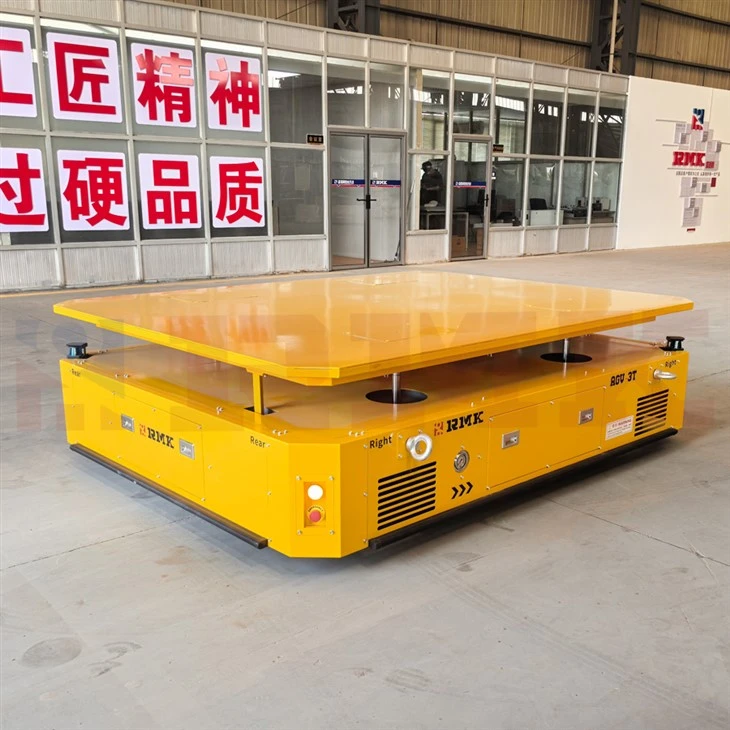
Another product is our 3 Tons All - directonal Vehicle For Frame Transportation. It features a well - designed gearbox and braking system, which reduces noise during operation. The cart's all - directional movement capability makes it very flexible in frame transportation, while the noise - reduction design ensures a quiet working environment.
We also have the 3 Tons Omni - directional Trolley Battery Transfer Cart. This cart uses sound - insulating enclosures around the motor and other noisy components, effectively reducing the overall noise level. It is an ideal choice for applications where noise reduction is a priority.
Contact Us for Procurement and Negotiation
If you are interested in our motorized transfer carts with noise - reduction design, we welcome you to contact us for procurement and negotiation. Our professional sales team will provide you with detailed product information, customized solutions, and competitive prices. We are committed to meeting your specific requirements and providing you with high - quality products and services.
References
- "Industrial Noise Control and Acoustics" by David A. Crolla
- "Mechanical Design Handbook" by Myer Kutz
- "Electric Motor Handbook" by Arnold E. Fitzgerald, Charles Kingsley Jr., and Stephen D. Umans


