

The signal transmission distance of a remotely controlled Omnimove Transfer Cart is a crucial factor that determines its usability and effectiveness in various industrial applications. As a supplier of Omnimove Transfer Carts, I understand the significance of this parameter and am eager to share in - depth knowledge about it.
Understanding the Omnimove Transfer Cart
Before delving into the signal transmission distance, it's essential to have a clear understanding of what an Omnimove Transfer Cart is. The Omnimove Transfer Cart is a highly advanced piece of equipment designed for industrial material handling. It offers exceptional maneuverability, thanks to its omnidirectional movement capabilities. This means it can move forward, backward, sideways, and even rotate in place, which is a significant advantage in tight spaces and complex industrial layouts.
These carts are often used in industries such as automotive manufacturing, aerospace, and heavy machinery production. They can transport heavy loads with precision, making them an indispensable part of modern industrial operations. In addition to their mechanical features, the remote - control functionality of these carts adds a layer of convenience and safety. Operators can control the cart from a distance, reducing the risk of accidents and improving overall efficiency.
Factors Affecting Signal Transmission Distance
The signal transmission distance of a remotely controlled Omnimove Transfer Cart is influenced by several factors.
Type of Signal Technology
Most Omnimove Transfer Carts use radio frequency (RF) signals for remote control. RF technology has several advantages, including long - range transmission and the ability to penetrate obstacles to some extent. However, different RF frequencies have different propagation characteristics. For example, lower frequencies (such as those in the 433 MHz range) can travel longer distances but may have lower data transfer rates. Higher frequencies (like 2.4 GHz) offer faster data transfer but are more susceptible to interference and have a shorter range.
Environmental Conditions
The environment in which the cart operates plays a significant role in signal transmission. In an open, unobstructed area, the signal can travel much farther than in a cluttered industrial environment. Metal structures, concrete walls, and other large objects can block or reflect RF signals, reducing the effective transmission distance. Additionally, electromagnetic interference from other equipment in the vicinity can also disrupt the signal. For instance, in a factory with a lot of high - power electrical machinery, the electromagnetic noise can interfere with the RF signal of the cart's remote control.
Antenna Design and Placement
The design and placement of the antennas on both the cart and the remote control unit are critical. A well - designed antenna can enhance the signal strength and directivity. For example, a directional antenna can focus the signal in a specific direction, increasing the range in that direction. On the Omnimove Transfer Cart, the antenna should be placed in a location where it is not shielded by the cart's body or other components. Similarly, on the remote control, proper antenna placement can ensure optimal signal transmission.
Typical Signal Transmission Distances
Under ideal conditions, a remotely controlled Omnimove Transfer Cart using standard RF technology can have a signal transmission distance of up to 100 meters or more. However, in a real - world industrial environment, this distance is often reduced.
In a relatively open industrial hall with minimal interference and few obstacles, the signal range might be around 30 - 50 meters. This is sufficient for most applications within a single large - scale workshop. But in a more complex environment, such as a multi - story factory with many metal partitions and a high density of electrical equipment, the range could be as low as 10 - 20 meters.
It's important to note that some advanced Omnimove Transfer Carts are equipped with signal repeaters or boosters. These devices can extend the signal transmission distance by receiving and re - transmitting the signal. With the use of such technology, the effective range can be increased significantly, sometimes up to several hundred meters.
Importance of Signal Transmission Distance in Industrial Applications
The signal transmission distance directly impacts the usability of the Omnimove Transfer Cart in industrial settings.
Safety
A sufficient signal range allows operators to control the cart from a safe distance. For example, when transporting heavy or hazardous materials, the operator can stand at a safe location away from potential danger zones. This reduces the risk of injury in case of an accident, such as a load shifting or the cart colliding with an object.
Efficiency
In large - scale industrial operations, a longer signal range means that the operator can control the cart from different parts of the facility without having to be in close proximity to it. This saves time and increases the overall efficiency of material handling operations. For instance, an operator can control multiple carts simultaneously from a central control station if the signal range is adequate.
Flexibility
A greater signal transmission distance provides more flexibility in the layout of the industrial facility. The cart can be used in different areas of the factory without the need for the operator to constantly move to a specific location to maintain control. This allows for more efficient use of space and better integration of the cart into the overall production process.
Our Solutions as a Supplier
As a supplier of Omnimove Transfer Carts, we offer several solutions to address the issue of signal transmission distance.
Custom - designed Antennas
We can provide custom - designed antennas for our Omnimove Transfer Carts. These antennas are optimized for the specific frequency used by the cart's remote control system and are designed to work well in different industrial environments. By choosing the right antenna, we can significantly improve the signal range and stability.
Signal Boosters and Repeaters
We also offer signal boosters and repeaters as optional accessories. These devices can be easily installed on the cart or in the industrial environment to extend the signal transmission distance. Our technical support team can help customers determine the best placement and configuration of these devices for their specific needs.
Training and Support
We provide comprehensive training to our customers on how to optimize the signal transmission of their Omnimove Transfer Carts. This includes proper antenna installation, understanding the impact of environmental factors, and troubleshooting common signal - related issues. Our support team is always available to assist customers with any questions or problems they may encounter.
Conclusion
The signal transmission distance of a remotely controlled Omnimove Transfer Cart is a complex parameter that is affected by various factors. While the typical range can vary depending on the environment and technology used, there are solutions available to extend this range and ensure reliable operation.

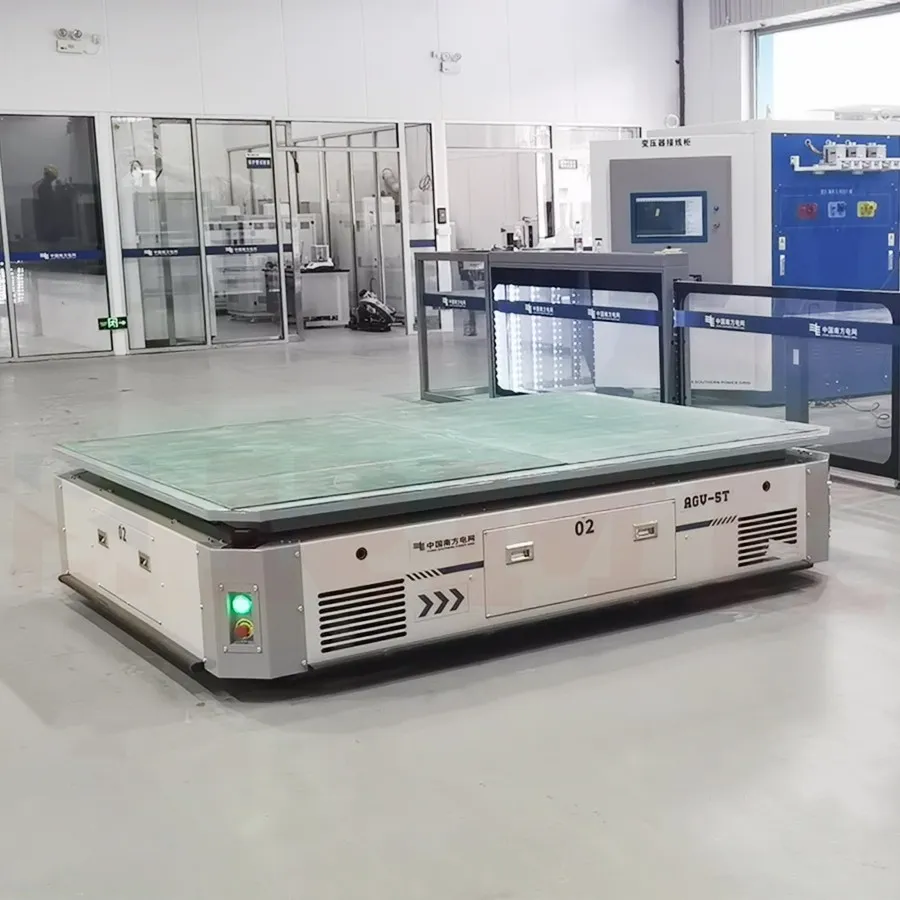
If you are in the market for an Omnimove Transfer Cart or are interested in learning more about our products and how we can address your specific signal transmission requirements, we encourage you to reach out to us. Our team of experts is ready to discuss your needs and provide you with the best - suited solutions for your industrial material handling operations. Whether you need a Self Propelled Transporter or an Industrial Transport Cart, we have the expertise and products to meet your demands. Contact us today to start the procurement and negotiation process.
References
- Industrial Wireless Communication Handbook, Second Edition. By Andrew Brown.
- Radio Frequency Engineering Principles and Applications. By David M. Pozar.


