

As a supplier of buildings transfer carts, I've had a front - row seat to the unique demands of different industries. One of the most challenging yet fascinating environments to cater to is the cleanroom. Cleanrooms are used in industries like pharmaceuticals, electronics manufacturing, and biotechnology, where even the tiniest particle can cause big problems. So, what special requirements does a buildings transfer cart need to meet for use in a cleanroom? Let's dive in.
Material and Finish
First off, the materials used in building the transfer cart are super important. In a cleanroom, you can't have any materials that shed particles. That means no rough or porous surfaces where dust can get trapped and then be released later. We usually go for stainless steel or aluminum. These metals are not only durable but also have a smooth finish that's easy to clean.
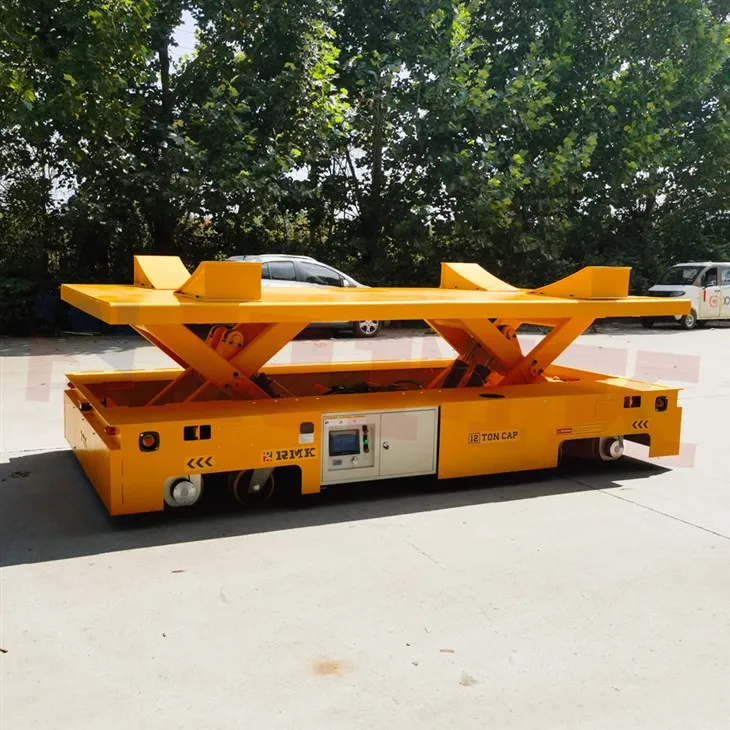
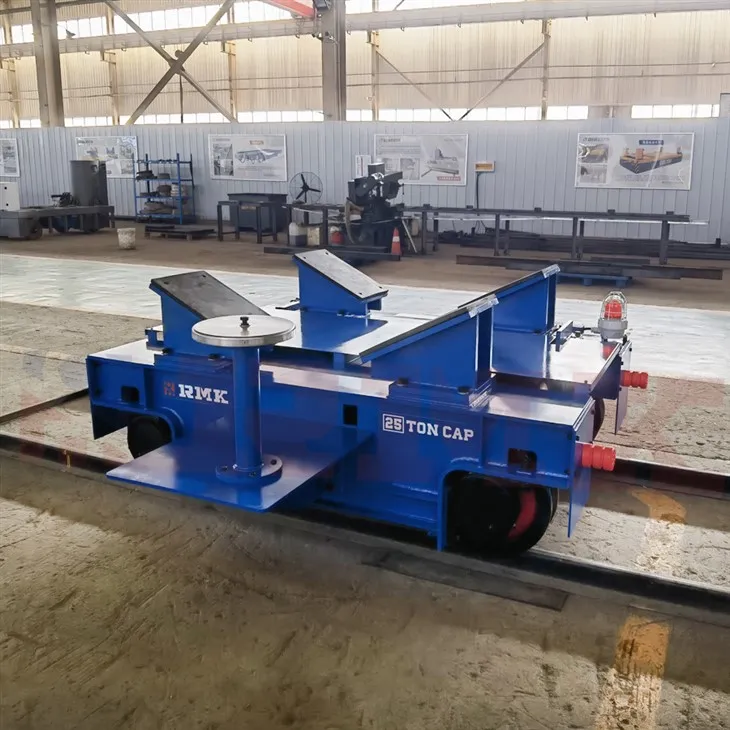
Stainless steel is great because it's resistant to corrosion and can withstand regular cleaning with harsh chemicals. Aluminum is lighter, which makes it easier to move the cart around. But no matter which material we choose, we make sure it's polished to a high - gloss finish. This not only reduces particle adhesion but also makes it easier to spot any dirt or contaminants.
Particle Generation
Particle generation is a huge deal in cleanrooms. Every time a cart moves, there's a risk of generating particles. This can come from the wheels rubbing against the floor, the mechanical parts moving, or even the operator touching the cart. To minimize particle generation, we use special bearings and lubricants.
The bearings are designed to be low - friction, which means less wear and tear and fewer particles being created. And the lubricants we use are cleanroom - compatible. They're formulated to have a very low outgassing rate, which means they don't release any harmful vapors or particles into the air.
Another thing we do is to seal all the moving parts. This prevents dust and debris from getting inside the cart and being kicked up when it moves. We use gaskets and seals made from materials like silicone, which are flexible and can create a tight seal.
Cleanability
A cleanroom cart needs to be easy to clean. We design our carts with this in mind. There are no sharp corners or hard - to - reach places where dirt can accumulate. The surfaces are flat and smooth, so they can be wiped down easily.
We also make sure that all the components of the cart can be disassembled. This allows for a thorough cleaning, especially in the areas that are not visible during normal use. After disassembly, the parts can be cleaned in an ultrasonic cleaner or with a cleanroom - approved cleaning solution.
Electrostatic Discharge (ESD) Protection
In many cleanroom applications, especially in electronics manufacturing, electrostatic discharge can be a major problem. A single ESD event can damage sensitive electronic components. That's why our buildings transfer carts are equipped with ESD protection.
We use conductive materials in the construction of the cart, such as conductive plastics or metals. These materials help to dissipate static electricity, preventing it from building up on the cart and discharging onto the products being transported. We also install grounding straps on the cart to ensure that any static charge is safely conducted away.
Noise and Vibration
Cleanrooms often require a quiet and stable environment. Excessive noise can be a distraction for the operators, and vibration can damage delicate equipment or products being transported. So, we design our transfer carts to be as quiet and vibration - free as possible.
To reduce noise, we use low - noise motors and gears. The wheels are also specially designed to roll quietly on the cleanroom floor. For vibration, we use shock - absorbing materials in the cart's structure. These materials help to dampen any vibrations that may be caused by the movement of the cart or external factors.
Compatibility with Cleanroom Equipment
The buildings transfer cart also needs to be compatible with other equipment in the cleanroom. For example, it should be able to easily interface with conveyor systems, lift tables, and other handling equipment.
We design our carts with standard connection points and dimensions, so they can be easily integrated into existing cleanroom setups. This makes it more convenient for our customers to use the cart in their day - to - day operations.
Safety Features
Safety is always a top priority, especially in a cleanroom environment. Our transfer carts are equipped with a variety of safety features. We have emergency stop buttons that can be easily accessed in case of an emergency. The carts also have speed control mechanisms to ensure that they don't move too fast and cause an accident.
In addition, we install sensors on the cart to detect obstacles in its path. If an obstacle is detected, the cart will automatically stop or slow down to avoid a collision.
Customization
We understand that different cleanroom applications have different requirements. That's why we offer customized buildings transfer carts. Whether it's a specific size, weight capacity, or special feature, we can work with our customers to design and build a cart that meets their exact needs.
If you're interested in our Coil Transfer Cart, you can check out Coil Transfer Cart. For those looking for Industrial Trailers, visit Industrial Trailers. And if you need a Power Industry Transfer Cart, head over to Power Industry Transfer Cart.
If you're in the market for a buildings transfer cart for your cleanroom, we'd love to talk to you. Our team of experts can help you figure out exactly what you need and provide you with a solution that fits your budget. Don't hesitate to reach out to us for a consultation and let's work together to find the perfect transfer cart for your cleanroom.
References
- "Cleanroom Design and Operation" by Some Author, Published by Some Publisher, Year
- "Materials for Cleanroom Applications" by Another Author, Journal of Cleanroom Technology, Volume X, Issue Y, Year


