

Hey there! As a supplier of Buildings Transfer Carts, I often get asked about the types of batteries these carts use. So, I thought I'd take a few minutes to break it down for you.
Let's start with the basics. Buildings Transfer Carts are super handy for moving heavy loads around construction sites, warehouses, and other industrial settings. They need a reliable power source to get the job done, and that's where batteries come in.
Lead - Acid Batteries
One of the most common types of batteries used in Buildings Transfer Carts is the lead - acid battery. These have been around for ages and are well - known for their durability and relatively low cost.
Lead - acid batteries work by using a chemical reaction between lead plates and sulfuric acid. When the battery is charged, the lead dioxide on the positive plate and the sponge lead on the negative plate react with the sulfuric acid to store energy. When the cart is in use, this stored energy is released to power the motor.
The main advantage of lead - acid batteries is their affordability. They're a cost - effective option for many businesses, especially those on a tight budget. They also have a high surge current, which means they can provide a lot of power quickly. This is great for getting the cart moving from a standstill or for handling heavy loads.
However, lead - acid batteries do have some drawbacks. They're quite heavy, which can add to the overall weight of the cart and reduce its efficiency. They also require regular maintenance, such as checking the electrolyte levels and topping them up with distilled water. And they have a relatively short lifespan compared to some other battery types, usually around 2 - 5 years depending on usage.
Lithium - Ion Batteries
Lithium - ion batteries are becoming increasingly popular in Buildings Transfer Carts. These batteries use lithium ions to store and release energy.

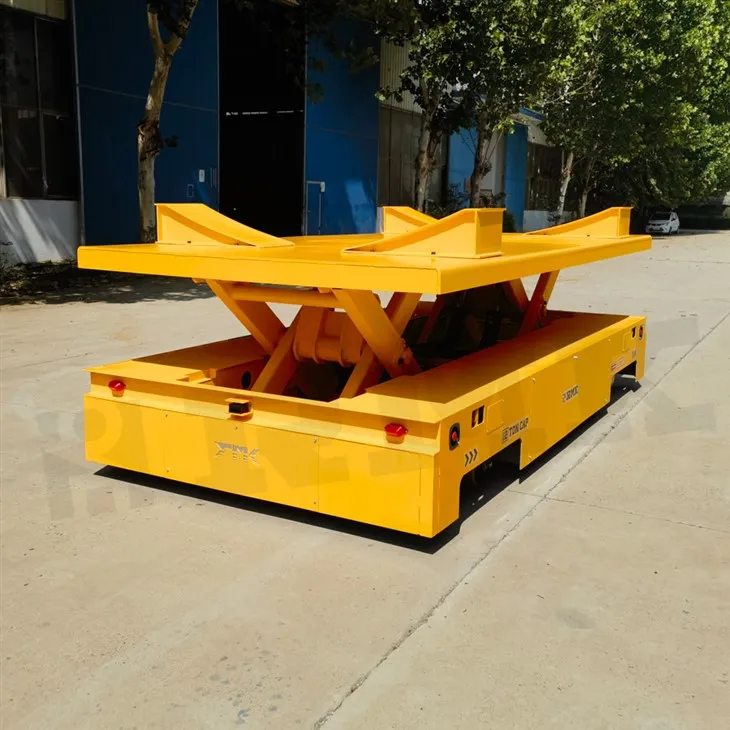
One of the biggest advantages of lithium - ion batteries is their high energy density. This means they can store a lot of energy in a relatively small and light package. So, using a lithium - ion battery can make the cart lighter and more maneuverable. They also have a longer lifespan than lead - acid batteries, often lasting 5 - 10 years.
Lithium - ion batteries charge much faster than lead - acid batteries. You can get a significant charge in just a couple of hours, which means less downtime for the cart. They also don't require as much maintenance as lead - acid batteries. There's no need to check electrolyte levels or add water.
But lithium - ion batteries do come with a higher price tag. They're more expensive to purchase upfront, which can be a deterrent for some businesses. There are also some safety concerns associated with lithium - ion batteries, such as the risk of overheating and catching fire if they're not properly managed.
Nickel - Metal Hydride (NiMH) Batteries
Nickel - Metal Hydride batteries are another option for Buildings Transfer Carts. These batteries use a hydrogen - absorbing alloy in the negative electrode instead of cadmium like in older nickel - cadmium (NiCd) batteries.
NiMH batteries have a higher energy density than lead - acid batteries and are less toxic than NiCd batteries. They're also more environmentally friendly. They can handle a large number of charge - discharge cycles, which means they have a decent lifespan.
However, NiMH batteries have a lower voltage compared to lithium - ion batteries, which can limit their power output. They also self - discharge at a higher rate than lithium - ion batteries. This means that if the cart is not used for a while, the battery will lose its charge more quickly.
Which Battery is Right for Your Buildings Transfer Cart?
The choice of battery really depends on your specific needs. If you're on a tight budget and don't mind the extra maintenance, lead - acid batteries might be the way to go. They're a tried - and - true option that can get the job done.
If you're looking for a more efficient, lightweight, and long - lasting solution, lithium - ion batteries are a great choice. They're perfect for businesses that rely on their carts for heavy - duty work and need them to be up and running as much as possible.
NiMH batteries are a good middle - ground option. They offer a balance between cost, performance, and environmental friendliness.
As a Buildings Transfer Cart supplier, I've seen firsthand how different batteries can impact the performance of the cart. We offer carts with all these battery types, so you can choose the one that best suits your requirements.
By the way, we also have other types of transfer carts in our product line. Check out our Coil Transfer Cart for moving coils, Power Industry Transfer Cart for power - related applications, and Military Industry Transfer Cart for military - specific needs.
If you're in the market for a Buildings Transfer Cart or want to learn more about the battery options, don't hesitate to get in touch. We're here to help you make the right choice for your business. Whether you have questions about battery performance, cart specifications, or anything else, just reach out and we'll be happy to assist you.
References
- "Battery Technology Handbook" by David Linden and Thomas Reddy
- Various industry reports on battery usage in industrial vehicles.


