

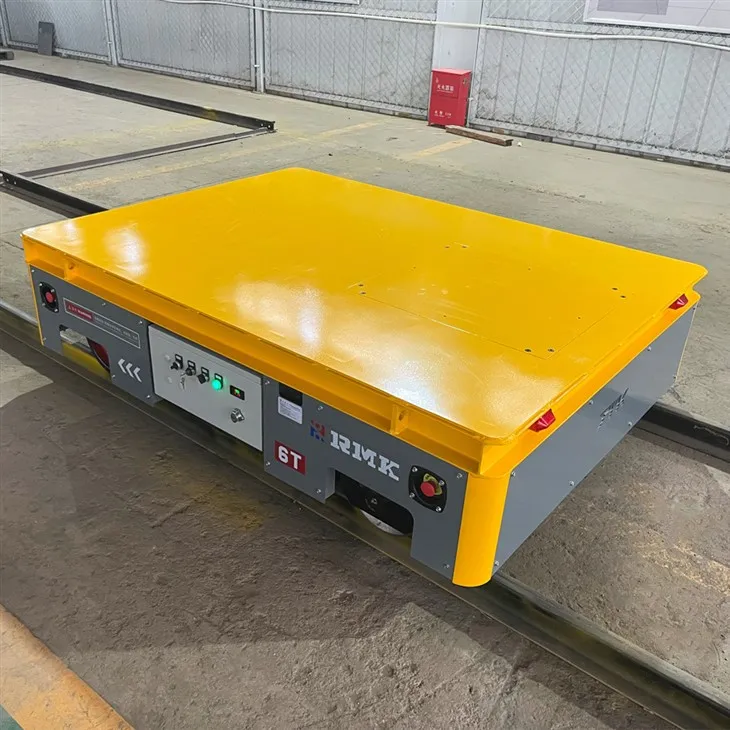
As a supplier of Buildings Transfer Carts, I often receive inquiries from customers about the applicability of our carts in various environments, especially hot ones. This blog post aims to delve into the question of whether a buildings transfer cart can be used in a hot environment, exploring the challenges, solutions, and considerations involved.
Challenges of Using Buildings Transfer Carts in Hot Environments
1. Impact on Battery Performance
Most buildings transfer carts are powered by batteries, such as lead - acid batteries or lithium - ion batteries. High temperatures can have a significant impact on battery performance. For lead - acid batteries, excessive heat can accelerate the rate of self - discharge, reduce the battery's capacity, and shorten its lifespan. Lithium - ion batteries are also sensitive to heat; high temperatures can cause thermal runaway, which is a dangerous situation where the battery overheats and may even catch fire or explode.
2. Component Expansion and Wear
In a hot environment, the metal components of the transfer cart may expand. This expansion can lead to misalignments in the mechanical parts, such as the wheels, axles, and bearings. As a result, the cart may experience increased friction, which not only reduces the efficiency of the cart but also accelerates the wear and tear of these components. Over time, this can lead to mechanical failures and costly repairs.
3. Electrical System Malfunctions
The electrical systems of buildings transfer carts are also vulnerable to high temperatures. Heat can cause the insulation of wires to degrade, increasing the risk of short - circuits. Electronic components, such as controllers and sensors, may also malfunction due to overheating, which can affect the overall operation and safety of the cart.
Solutions and Adaptations for Hot Environments
1. Battery Management
To mitigate the impact of high temperatures on batteries, we can implement several strategies. For lead - acid batteries, we can use battery cooling systems, such as air - cooled or liquid - cooled battery enclosures. These systems help to maintain the battery at an optimal temperature, reducing self - discharge and extending its lifespan. In the case of lithium - ion batteries, advanced battery management systems (BMS) can be employed. A BMS can monitor the temperature of the battery cells in real - time and take appropriate measures, such as reducing the charging or discharging rate, to prevent thermal runaway.
2. Heat - Resistant Materials
Using heat - resistant materials in the construction of the transfer cart can help to address the issue of component expansion and wear. For example, high - temperature alloys can be used for the wheels, axles, and bearings. These alloys have a lower coefficient of thermal expansion, which means they expand less in hot environments, reducing the risk of misalignment and wear. Additionally, heat - resistant coatings can be applied to the metal components to protect them from the effects of high temperatures.
3. Enhanced Electrical System Protection
To protect the electrical system from high temperatures, we can use heat - resistant insulation materials for the wires. Additionally, the electronic components can be housed in heat - shielded enclosures. These enclosures can be equipped with cooling fans or heat sinks to dissipate the heat generated by the components, ensuring their proper functioning.
Considerations for Different Types of Buildings Transfer Carts
1. Steel Transfer Cart
Steel transfer carts are often used in steel mills and other high - temperature industrial environments. These carts need to be able to withstand extremely high temperatures. In addition to the general solutions mentioned above, steel transfer carts may require special heat - resistant tires and reinforced frames. You can learn more about our Steel Transfer Cart on our website.
2. Chemical Industry Transfer Cart
In the chemical industry, transfer carts may be exposed to both high temperatures and corrosive chemicals. Therefore, in addition to heat - resistant features, these carts need to be made of corrosion - resistant materials. Our Chemical Industry Transfer Cart is designed to meet these specific requirements, with a combination of heat - resistant and corrosion - resistant components.
3. Mechanical Manufacturing Transfer Cart
Mechanical manufacturing transfer carts are used in a variety of manufacturing processes, where they may encounter different levels of heat. These carts need to be flexible and adaptable to different working conditions. Our Mechanical Manufacturing Transfer Cart is engineered with modular components that can be easily customized to meet the specific needs of different manufacturing environments.
Case Studies
1. Steel Mill Application
A steel mill in the south of the country was facing problems with their existing transfer carts in the hot summer months. The carts' batteries were overheating, and the mechanical components were wearing out quickly. After switching to our steel transfer carts, which were equipped with advanced battery cooling systems and heat - resistant materials, the mill saw a significant improvement in the performance and reliability of the carts. The battery lifespan increased by 30%, and the maintenance costs were reduced by 20%.
2. Chemical Plant Application
A chemical plant was using transfer carts in an area where the temperature could reach up to 60°C. The previous carts were suffering from electrical system failures due to the high temperatures. Our chemical industry transfer carts, with their heat - shielded electrical enclosures and corrosion - resistant materials, were able to operate smoothly in this harsh environment. The plant reported a 50% reduction in cart downtime, which translated into increased productivity.

Conclusion
In conclusion, while using a buildings transfer cart in a hot environment presents several challenges, with the right solutions and adaptations, it is definitely possible. By addressing the issues related to battery performance, component expansion, and electrical system malfunctions, we can ensure that our transfer carts can operate efficiently and reliably in high - temperature environments.
If you are looking for a buildings transfer cart that can withstand hot environments, we are here to help. Our team of experts can provide you with customized solutions based on your specific requirements. Whether you need a Steel Transfer Cart, a Chemical Industry Transfer Cart, or a Mechanical Manufacturing Transfer Cart, we have the products and expertise to meet your needs. Contact us today to discuss your project and start the procurement process.
References
- "Battery Technology and Management in High - Temperature Environments" - Journal of Energy Storage
- "Heat - Resistant Materials for Industrial Applications" - Materials Science Review
- "Electrical System Design for Harsh Environments" - IEEE Transactions on Industrial Electronics


