

As a seasoned supplier of rail transfer trolleys, I've witnessed firsthand the critical role these vehicles play in modern industrial logistics. Achieving a seamless connection between a rail transfer trolley and other equipment is not just a technical challenge; it's a strategic imperative that can significantly enhance operational efficiency, productivity, and safety. In this blog post, I'll share some insights and best practices based on my experience in the industry.
Understanding the Basics of Rail Transfer Trolleys
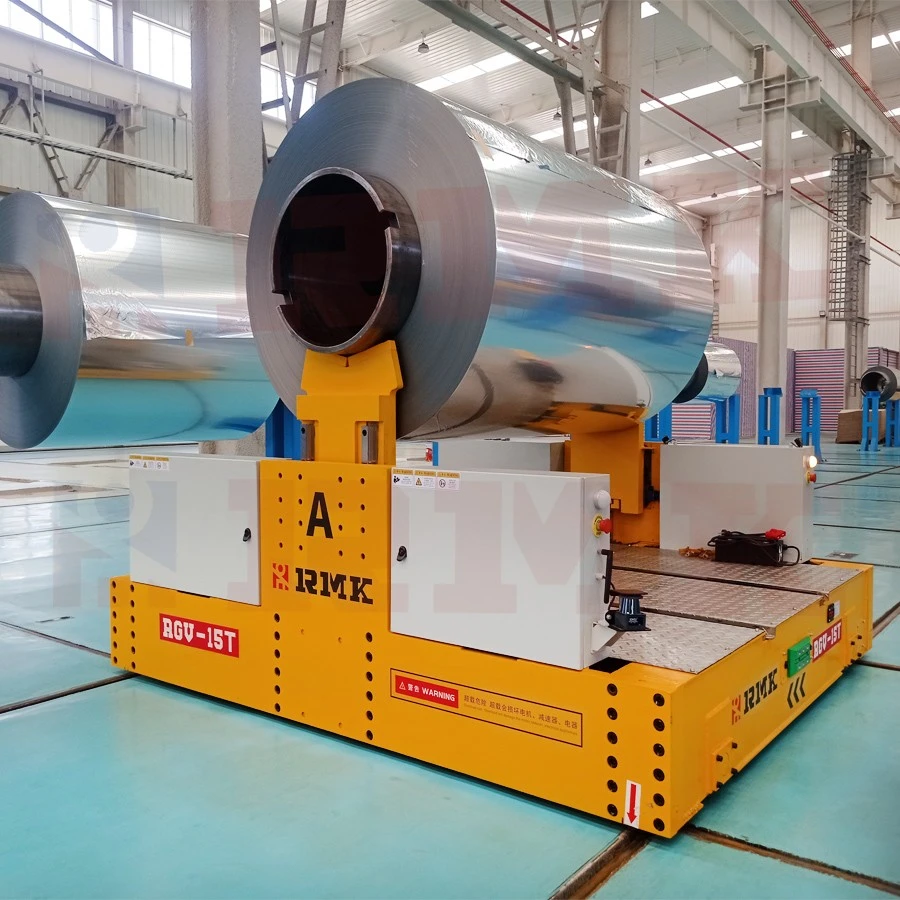
Before delving into the details of seamless integration, it's essential to have a clear understanding of rail transfer trolleys and their capabilities. Rail transfer trolleys are specialized vehicles designed to transport heavy loads along a fixed rail track. They come in various types, each tailored to specific applications and requirements. For instance, the Rail Shuttle Vehicle is ideal for repetitive, short-distance transportation tasks, while the Cross - Track Rail Transfer Cart offers the flexibility to move across multiple tracks. The High - Temperature Rail Transfer Cart is specifically engineered to operate in extreme heat environments, such as foundries and steel mills.
Key Considerations for Seamless Connection
Compatibility of Physical Dimensions
One of the primary factors to consider when integrating a rail transfer trolley with other equipment is the compatibility of physical dimensions. The trolley's size, shape, and weight capacity must be carefully matched to the loading and unloading points, as well as the surrounding equipment. For example, if the trolley is used to transfer materials to a conveyor belt, the height and width of the trolley's platform should be consistent with the conveyor's specifications to ensure smooth material transfer. Additionally, the turning radius and clearance requirements of the trolley must be taken into account to avoid any collisions or interference with other equipment in the workspace.
Communication and Control Systems
Effective communication and control systems are crucial for achieving seamless connection between the rail transfer trolley and other equipment. These systems enable real - time monitoring, coordination, and automation of the entire material handling process. For instance, using sensors and actuators, the trolley can be programmed to stop at specific positions, start and stop in synchronization with other equipment, and adjust its speed based on the production flow. Programmable Logic Controllers (PLCs) are commonly used to manage the trolley's operations and interface with other control systems in the factory. Wireless communication technologies, such as Wi - Fi or Bluetooth, can also be employed to transmit data between the trolley and the central control station, providing greater flexibility and mobility.
Safety Features
Safety is always a top priority in industrial environments. When integrating a rail transfer trolley with other equipment, it's essential to ensure that appropriate safety features are in place. These may include emergency stop buttons, safety barriers, anti - collision sensors, and warning lights. The trolley should be equipped with reliable braking systems to stop quickly in case of an emergency. Moreover, the control system should be designed to prevent any unauthorized access or operation of the trolley, protecting both the operators and the equipment from potential hazards.
Maintenance and Serviceability
Another important aspect of seamless connection is the ease of maintenance and serviceability. The rail transfer trolley and its associated equipment should be designed for easy access to critical components, such as motors, gears, and electrical systems. Regular maintenance schedules should be established to ensure the proper functioning of the trolley and to identify and address any potential issues before they escalate. Having a reliable spare parts supply chain is also essential to minimize downtime in case of component failures.
Steps to Achieve Seamless Connection
Conduct a Site Survey
The first step in achieving seamless connection is to conduct a comprehensive site survey. This involves assessing the layout of the factory, the existing equipment, and the flow of materials. The survey should identify the locations of loading and unloading points, the paths of the rail tracks, and any potential obstacles or limitations. By understanding the site conditions, we can design a customized solution that meets the specific needs of the customer.
Design the Integration Plan
Based on the results of the site survey, a detailed integration plan should be developed. This plan should outline the technical specifications, the installation process, and the timeline for the project. It should also include a risk assessment and mitigation strategy to address any potential challenges or issues that may arise during the integration process. The design should take into account the future expansion and modification requirements of the factory to ensure long - term compatibility and flexibility.
Install and Test the Equipment
Once the integration plan is finalized, the next step is to install the rail transfer trolley and connect it to the other equipment. During the installation process, strict adherence to the manufacturer's instructions and safety standards is crucial. After the installation is complete, a series of tests should be conducted to verify the proper functioning of the trolley and its integration with other equipment. These tests may include functionality tests, performance tests, and safety tests. Any issues or discrepancies identified during the testing phase should be promptly addressed before the system is put into full operation.
Provide Training and Support
To ensure the successful operation of the integrated system, it's important to provide comprehensive training to the operators and maintenance personnel. The training should cover the basic operation of the rail transfer trolley, the use of the control system, and the maintenance procedures. Additionally, ongoing technical support should be available to assist the customer with any questions or problems that may arise during the operation of the system.

Benefits of Seamless Connection
Increased Productivity
By achieving seamless connection between the rail transfer trolley and other equipment, the overall productivity of the factory can be significantly increased. The automated and coordinated operation of the material handling system reduces manual labor, minimizes downtime, and speeds up the production process. For example, a seamless connection between the trolley and the production line can ensure a continuous supply of materials, eliminating bottlenecks and improving the throughput of the entire production system.
Improved Quality
Seamless integration also contributes to improved product quality. With precise control over the material transfer process, the risk of damage or contamination to the products is reduced. The consistent and accurate operation of the rail transfer trolley ensures that the materials are handled in a uniform manner, resulting in higher - quality finished products.
Cost Savings
In the long run, seamless connection can lead to significant cost savings. By reducing labor costs, minimizing downtime, and improving energy efficiency, the overall operating costs of the factory can be lowered. Additionally, the extended lifespan of the equipment due to proper maintenance and operation can also result in cost savings on replacement and repair.
Conclusion
Achieving a seamless connection between a rail transfer trolley and other equipment is a complex but achievable goal. By considering the key factors such as physical dimensions, communication and control systems, safety features, and maintenance requirements, and following the steps outlined above, we can design and implement an integrated material handling solution that meets the specific needs of our customers. The benefits of seamless connection, including increased productivity, improved quality, and cost savings, make it a worthwhile investment for any industrial facility.
If you're interested in learning more about our rail transfer trolleys and how we can help you achieve seamless connection with your existing equipment, please don't hesitate to contact us for a consultation. We're committed to providing high - quality products and professional services to meet your industrial material handling needs.
References
- Industrial Material Handling Handbook. [Publisher name, Year of publication]
- Handbook of Automation, Control, and Instrumentation in Manufacturing. [Publisher name, Year of publication]
- Safety Standards for Industrial Vehicles. [Organization name, Year of issue]


