

Hey there! As a supplier of rail transfer trolleys, I've seen firsthand how important it is to budget for the long - term maintenance of these nifty machines. Rail transfer trolleys are super useful in all sorts of industries, from manufacturing to warehousing. They help move heavy loads around efficiently, but like any piece of equipment, they need proper care and maintenance to keep running smoothly over the long haul.
Understanding the Basics of Rail Transfer Trolley Maintenance
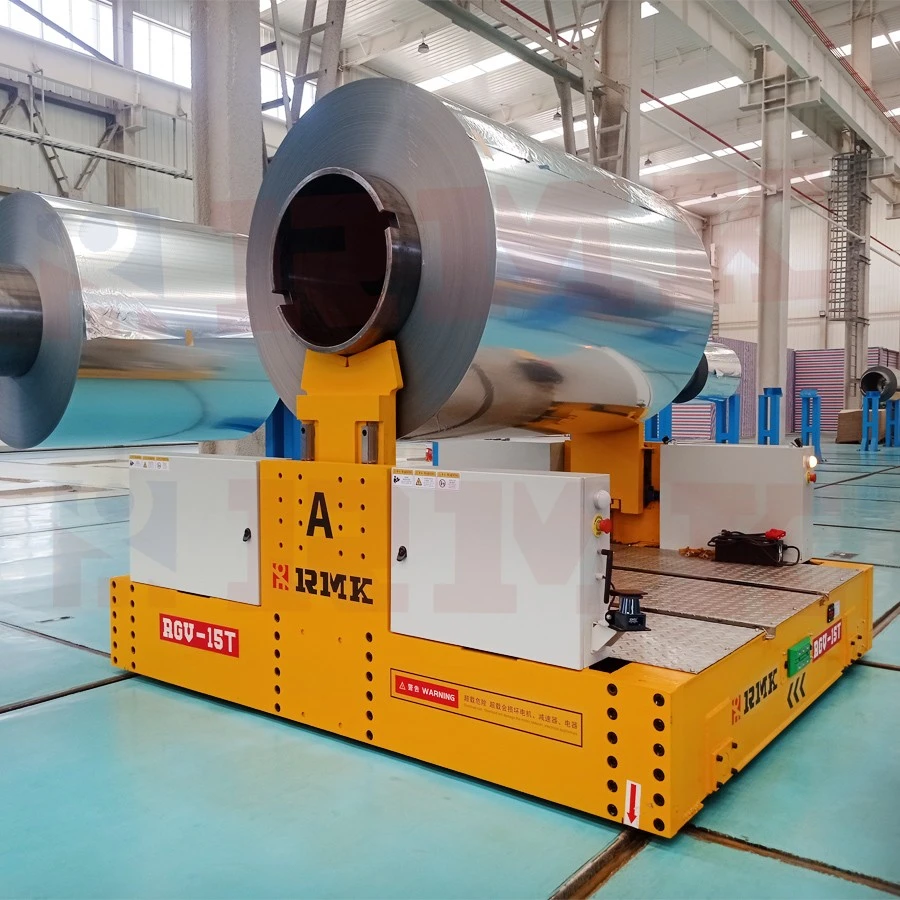
First off, let's talk about what goes into maintaining a rail transfer trolley. There are several key components that need regular attention. The wheels are a crucial part. They bear the weight of the trolley and the load it's carrying, so they're bound to experience wear and tear. You'll need to check the wheels for signs of damage, like cracks or excessive wear, and replace them when necessary.
The motor is another vital component. It powers the trolley, so it has to be in good working order. Regularly inspect the motor for any overheating issues, strange noises, or electrical problems. You should also keep the motor clean and lubricated to ensure it runs efficiently.
The electrical system is also a critical area. Faulty wiring or electrical components can not only cause the trolley to malfunction but also pose a safety hazard. Check the wiring for any signs of fraying or damage, and make sure all the electrical connections are tight.
Factors Affecting Long - Term Maintenance Costs
Now, let's look at the factors that can affect the long - term maintenance costs of a rail transfer trolley. The type of trolley you have plays a big role. For example, a Heavy Duty 100 Tons Transformer Rail Transfer Trolley is going to have different maintenance requirements compared to a smaller, lighter - duty trolley. Heavy - duty trolleys are designed to carry larger loads, so their components are under more stress, which means they may need more frequent maintenance.
The operating environment is another important factor. If the trolley is used in a dirty or dusty environment, it's going to require more frequent cleaning and maintenance. Moisture can also be a problem, as it can cause rust and corrosion on the trolley's metal parts.
The frequency of use is also significant. A trolley that's used constantly throughout the day is going to need more maintenance than one that's only used occasionally. You'll need to factor in the number of hours the trolley is in operation each day, week, or month when budgeting for maintenance.
Creating a Maintenance Budget
So, how do you go about creating a maintenance budget for your rail transfer trolley? The first step is to do a thorough assessment of your trolley's current condition. Take a close look at all the components I mentioned earlier and note any areas that need attention. This will give you an idea of what immediate maintenance tasks need to be done and how much they'll cost.

Next, you'll need to estimate the cost of regular maintenance tasks. This includes things like wheel replacements, motor tune - ups, and electrical system checks. You can get quotes from your suppliers or maintenance service providers to get a more accurate estimate.
It's also a good idea to set aside some money for unexpected repairs. No matter how well you maintain your trolley, there's always a chance that something will go wrong. Having a contingency fund can help you cover these unexpected costs without breaking the bank.
Long - Term Budgeting Strategies
When it comes to long - term budgeting, it's important to think ahead. Consider the lifespan of your trolley's components and plan for their replacement in advance. For example, if the wheels on your trolley typically last for about two years, you can budget for their replacement every two years.
Another strategy is to invest in preventive maintenance. This means regularly inspecting and servicing your trolley to catch any potential problems before they become major issues. Preventive maintenance can actually save you money in the long run by reducing the need for costly repairs.
You can also look into maintenance contracts with your suppliers or service providers. These contracts often offer discounted rates for regular maintenance services and can provide you with peace of mind knowing that your trolley is in good hands.
Comparing Different Trolley Models for Maintenance Costs
Not all rail transfer trolleys are created equal when it comes to maintenance costs. For instance, a Rail Transfer Cart with Longitudinal and Lateral Movement may have more complex components compared to a standard trolley, which could result in higher maintenance costs. On the other hand, a Cross - Track Rail Transfer Cart may have different maintenance requirements based on its unique design.
When choosing a trolley, it's important to consider not only the upfront cost but also the long - term maintenance costs. Look for trolleys that are known for their reliability and ease of maintenance. Read reviews from other users and talk to your suppliers to get their recommendations.
Tips for Reducing Maintenance Costs
There are several things you can do to reduce the long - term maintenance costs of your rail transfer trolley. First, train your operators properly. A well - trained operator is less likely to misuse the trolley, which can lead to unnecessary wear and tear. Make sure they know how to operate the trolley safely and follow all the recommended maintenance procedures.
Keep your trolley clean. Regularly remove dirt, dust, and debris from the trolley's components. This can help prevent corrosion and damage to the parts.
Store the trolley properly when it's not in use. If possible, keep it in a dry, protected area to prevent exposure to the elements.
Conclusion
Budgeting for the long - term maintenance of a rail transfer trolley is crucial for ensuring its reliable performance and longevity. By understanding the factors that affect maintenance costs, creating a comprehensive budget, and implementing long - term budgeting strategies, you can keep your trolley running smoothly without breaking the bank.
If you're in the market for a new rail transfer trolley or need more information on maintenance, feel free to reach out. We're here to help you make the best decision for your business and ensure that your trolley serves you well for years to come.
References
- General knowledge and experience in the rail transfer trolley industry.
- Discussions with industry experts and other rail transfer trolley suppliers.


