Driven by the wave of Industry 4.0, many manufacturing enterprises are undergoing an unprecedented upsurge of automation upgrades. In any modern factory, one can see neatly arranged robotic arms, intelligent assembly lines, and control panels glowing with data. These tech-forward scenes are often regarded as symbols of a company's modernization level. However, behind this upsurge, a worrying trend is emerging: some enterprises excessively pursue a "high-end appearance" and "sophistication" in Automation Transfer Equipment upgrades, while ignoring the most fundamental practical value.
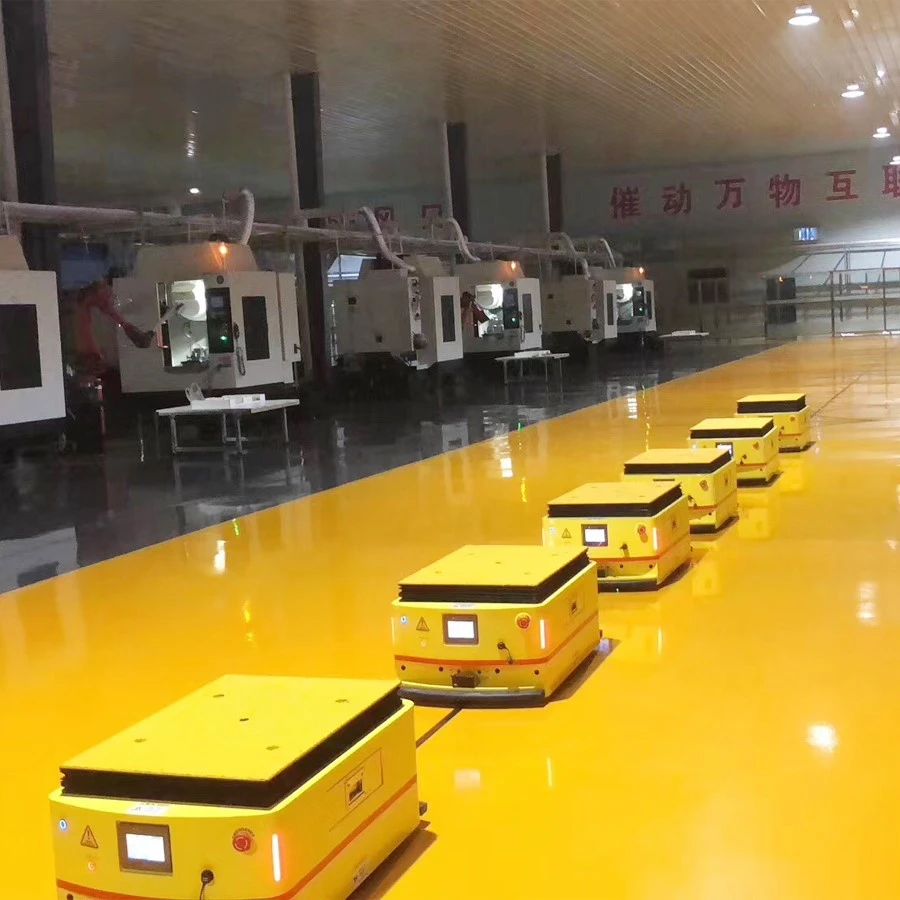
☆ The "Face Projects" in Automation transfer cart Upgrades
There is an obvious tendency in current manufacturing automation upgrades to emphasize appearance over substance. Some enterprises fail to fully consider their actual needs, operability, and practicality. They build futuristic smart factories but overlook how well these equipment match their own production requirements. For example, an auto parts manufacturer spent hundreds of millions of yuan importing a full set of German production lines, only to find that the precision of the equipment far exceeded actual demand. This led to a sharp rise in production costs and an investment payback period of more than ten years.
Such "high appearance" upgrades directly harm economic efficiency. High equipment procurement and maintenance costs, together with incompatibility with existing production systems, have left many automation projects trapped in a dilemma: "losses start as soon as they are put into operation". More seriously, some enterprises blindly launch intelligent systems beyond their management capabilities to achieve a "high end" effect, resulting in low equipment utilization and even the awkward situation of "intelligent equipment operated manually".
Behind this phenomenon lies a cognitive bias among enterprise decision makers. They equate automation upgrades with modernization and equipment advancement with corporate competitiveness, ignoring the most essential principles of efficiency and effectiveness in manufacturing.
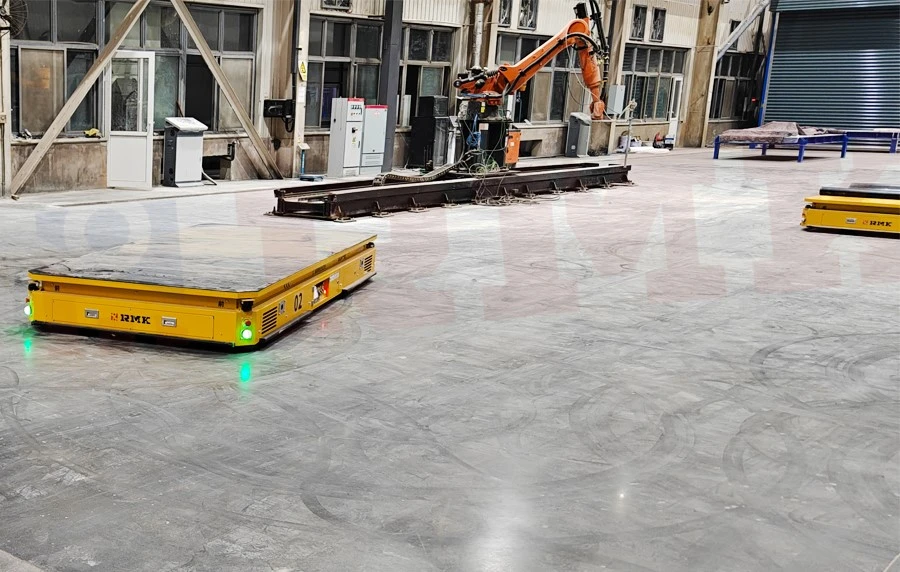
☆ Automated Handling Equipment – The Return to Pragmatism
Pragmatism oriented automation upgrades emphasize starting from the actual needs of enterprises and focusing on input output ratio. The automation upgrade experience of Toyota, Japan, is worth learning from. It adopts a strategy of "appropriate automation", introducing automated equipment only where it is most needed. This not only ensures production efficiency but also controls costs. Such a pragmatic attitude has kept Toyota competitive in the global automotive manufacturing industry.
When formulating upgrade plans, a comprehensive cost benefit analysis must be conducted. It is necessary to consider not only equipment procurement costs but also comprehensive factors such as operation and maintenance expenses, personnel training investment, and room for production efficiency improvement. After detailed calculations, a home appliance enterprise adopted a semi automated solution for the assembly process, which solved the efficiency bottleneck of manual operation while avoiding excessive investment in full automation, thus maximizing investment returns.
Equipment selection and system integration must be based on the actual situation of the enterprise. The most suitable technical solution should be chosen by comprehensively considering product characteristics, production processes, personnel quality, and other factors. A food processing enterprise, with its wide variety of products and small batches, adopted a modular and flexible automated solution that meets production needs while maintaining upgrade flexibility.
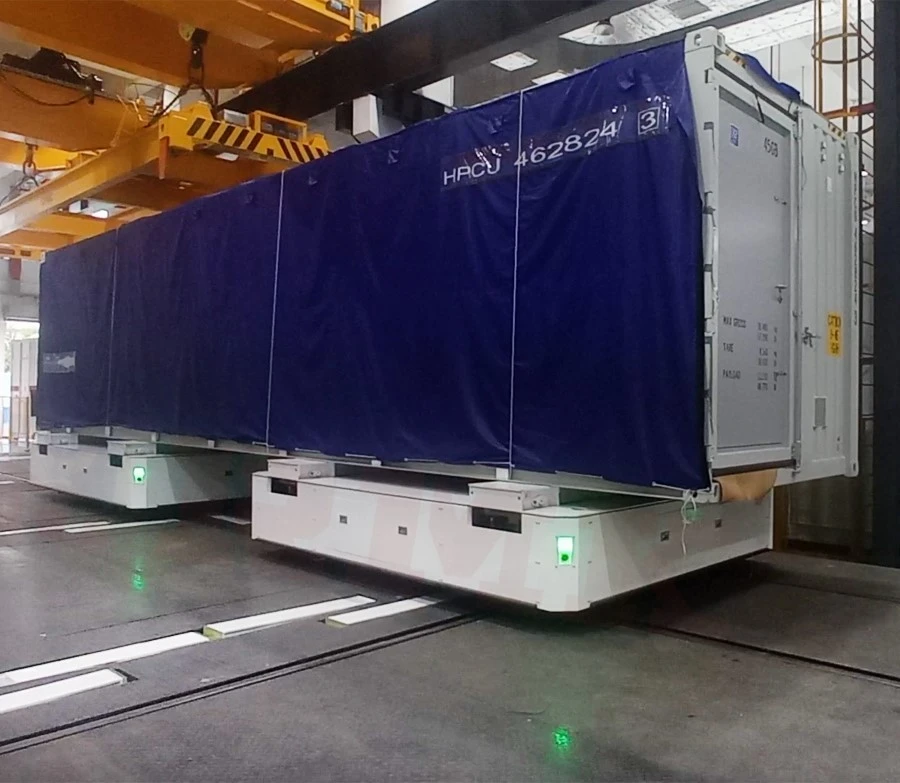
☆ Establishing a Scientific Evaluation System for Transportation & Handling Automation Upgrades
Establishing a scientific evaluation index system is the key to successful automation upgrades. The system should cover multiple dimensions including production efficiency, product quality, cost control, and return on investment, taking into account both short term benefits and long term impacts. A machinery manufacturing enterprise successfully avoided multiple "face projects" by establishing a detailed evaluation model and invested limited funds in the most needed areas.
A dynamic adjustment mechanism is required during the upgrade process. Through real time monitoring and data analysis, problems can be identified and solved promptly to optimize the upgrade plan. During the trial operation of a new production line, an electronics enterprise discovered that some processes were over automated and adjusted them to semi automation in a timely manner, ensuring efficiency while reducing costs.
Personnel training and knowledge accumulation are equally important. Automation upgrades are not only about equipment renewal but also about improving an enterprise's technical and management capabilities. It is essential to cultivate interdisciplinary talents who understand both production processes and automation technology, and establish a sound knowledge management system to ensure the sustained effectiveness of upgrade results.
The automation upgrade of manufacturing is a profound industrial transformation, but its direction must return to the essence of manufacturing. Abandoning the myth of "high appearance" and adhering to a pragmatism oriented approach can truly improve quality and efficiency in manufacturing.